
Last Updated: November 11, 2026
Quick Summary
Choose chip seal aggregate size by first answering what the road will carry and how fast. Smaller stones suit residential streets and driveways, while larger stones suit rural roads with fast, heavy traffic. Then match the binder rate to that size.
- Answer traffic speed, vehicle volume, pedestrian use and surface condition before looking at any size chart.
- Residential streets and driveways typically use 1/4 inch aggregate for the lowest noise and loose-stone risk.
- Rural roads with fast, heavy traffic typically use 1/2 inch aggregate or larger for better grip.
- Choose the aggregate size first, then set the binder rate, since changing one without the other causes bleeding or stone loss.
- Check delivered loads for oversized stones, excess dust, flat particles and dirt before spreading.
Table of Contents
- What Chip Seal Aggregate Size Controls
- Start With Traffic Type and Speed
- Reading a Chip Seal Aggregate Size Chart
- Why Gradation Matters More Than Nominal Size
- Matching Aggregate Size to Binder Rate
- Choosing Size for a Chip Seal Driveway
- Booking Your Chip Seal Project With Global Paving
- Frequently Asked Questions
Choosing the right chip seal aggregate size comes down to one question: what will the road carry, and how fast? Get that answer wrong and you get loose stones on the driveway, a surface that bleeds asphalt in summer, or a chip seal that wears out early. This guide walks through the decisions that determine the right size.
Chip seal is a surface treatment made from a layer of asphalt binder covered by uniformly graded aggregate. According to the Oregon Department of Transportation chip seal design report, chip seals are pavement preservation treatments, and the aggregate layer is what gives the surface its grip and durability. Aggregate size is the variable you control most directly, and it affects almost every other choice that follows.
What Chip Seal Aggregate Size Controls
Aggregate size sets how much of the binder is needed, how the surface feels under tires, and how well the stones stay put. Larger stones leave more gaps for binder, which means more asphalt per square yard. Smaller stones pack tighter and feel smoother, but they need more care to lock in.
The NCDOT chip seal mix design research project states that aggregate should be as close to uniform size as possible while remaining economically reasonable. Uniform stones produce a single, even layer rather than a mix of high and low spots.
Start With Traffic Type and Speed
Traffic is the first filter, but it works best as a short sequence of questions rather than a single judgment. Answer these in order, and write each answer down before you look at any size chart.
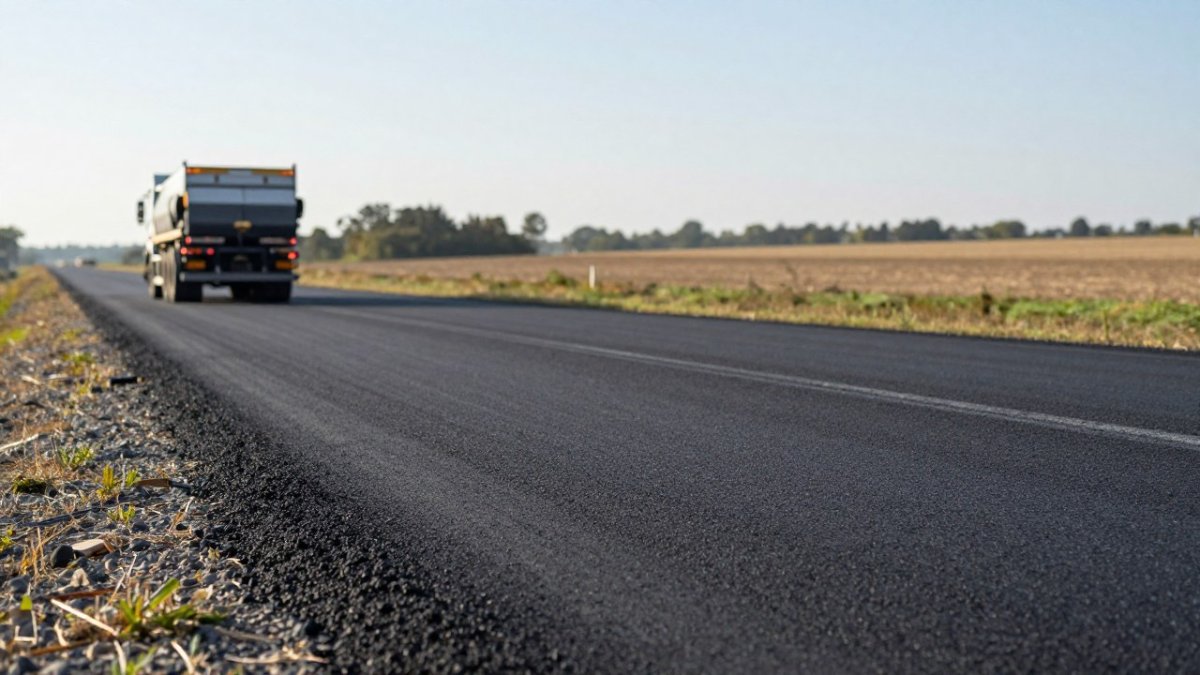
- What is the posted speed and how often do vehicles turn or brake on the surface? Stones on a straight, fast road are pressed in by tires at a steady angle. Stones at intersections, curves, and parking aisles get sheared sideways when tires scrub, so they loosen first.
- How many vehicles per day, and how many of them are heavy? A rural road with a few trucks a day behaves very differently from a collector street with frequent delivery vehicles, even at the same speed.
- Who walks or rolls on the surface? Pedestrians, bicycles, and strollers feel loose stones immediately and generate complaints even when the seal is structurally sound.
- What is the existing surface condition? A cracked or oxidized base holds stones less firmly than a sound one, which pushes the decision toward a size that embeds more deeply.
Use the answers to narrow the choice. If you are unsure how traffic affects the decision, the answers to common questions about surface work cover the most frequent cases. The table below compares the common sizes by use case. It is a starting point for a conversation with your contractor, not a substitute for a field check.
| Size | Typical use | Noise | Loose-stone risk | Binder demand |
|---|---|---|---|---|
| 1/4 inch | Residential streets, driveways, pedestrian areas | Lowest | Lowest on light traffic | Lowest |
| 3/8 inch | Mixed residential and light collector roads | Moderate | Moderate | Moderate |
| 1/2 inch and larger | Rural roads with fast, heavy traffic | Highest | Higher on light or turning traffic | Highest |
Smaller stones lower road noise and make the surface comfortable underfoot, but they need tighter control of binder rate and cleanliness to hold. Larger stones grip better under heavy loads and fast traffic, but they throw more loose chips, can chip windshields when traffic is fast, and use more binder per square yard. Watch out: choosing the largest size to be safe on a low-speed driveway almost always creates the loose-stone complaints you were trying to avoid.
Reading a Chip Seal Aggregate Size Chart
A size chart lists the sieve openings through which a sample passes, usually as percent passing each sieve. The nominal size is the label on the bag or the delivery ticket, but the chart tells you how well that label is met. Read the chart in three places.
- The top sieve (the nominal maximum): Almost all of the material should pass this sieve. A chart where a meaningful share of material is retained on it signals oversized chips.
- The middle sieves (the working range): This is where most of the stone should fall. A narrow spread here means close to uniform size.
- The bottom sieves (fines and dust): Material passing the smallest sieves is the dust that prevents binder from grabbing. Keep this low.
For most chip seals, you want a narrow, close-to-uniform gradation. A broad blend with all size fractions produces a surface with high and low spots, and the binder cannot hold the stones evenly.
Checking a delivered load
Before the material goes on the road, take a representative sample from several points in the stockpile or truck and run a quick visual and sieve check when you can. Look for:
- Stones noticeably larger than the nominal size, which will sit proud of the binder and pull out under traffic
- A heavy share of undersized particles or dust, which will leave the binder with nothing to grip
- Flat or elongated particles, which lie flat under the roller and create weak spots
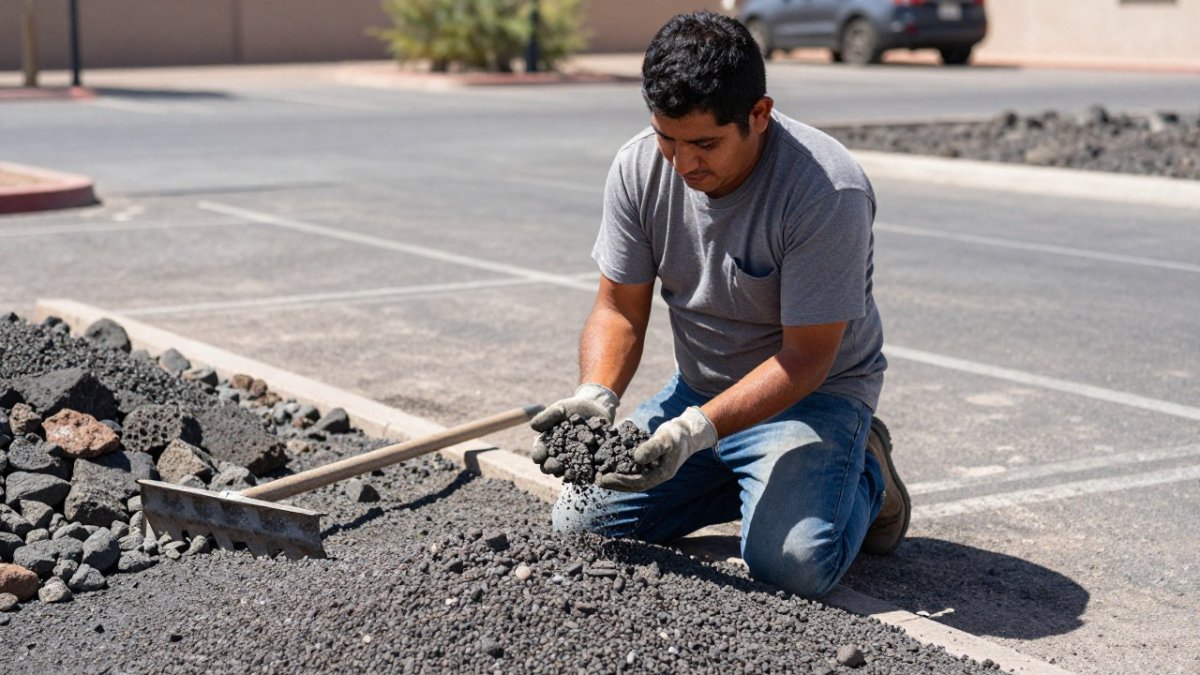
- Dirty or dusty stone that has not been washed or screened
If the sample fails any of these checks, ask for a retest or replacement before application. Rejecting a load before it is spread costs far less than repairing a seal that sheds stone for a season. Watch out: a delivery that looks acceptable from the top of the pile can be coarser or dustier underneath, so sample from more than one spot.
Why Gradation Matters More Than Nominal Size
Two aggregates with the same nominal size can perform very differently if one is well graded and the other is not. A broad, well-graded blend with all size fractions is less desirable for chip seal work. The FHWA best practices for emulsified asphalt chip seals guidance says so directly.
Watch for dust and fines. Clean stone bonds better, and dirty aggregate can keep the binder from grabbing.
Matching Aggregate Size to Binder Rate
Aggregate size and binder rate are a pair. Larger stones need more binder to hold them, and smaller stones need less. California’s guidance directs you to determine aggregate size and specific gravity first, then calculate aggregate and binder quantities and adjust them as needed, per the Caltrans maintenance manual chapter on chip seals.
Choose the aggregate size first, then set the binder rate for that size. Changing one without the other is how chip seals bleed or shed stone.
Choosing Size for a Chip Seal Driveway
Driveways carry a light, steady load but see close foot and vehicle traffic. Most homeowners prefer a smaller, smoother stone. Smaller aggregate reduces loose stones tracked into the house and feels more comfortable underfoot.
Keep the lowest size that still holds in place under turning loads. If stones pop out after the first season, step up one size and retest.
Booking Your Chip Seal Project With Global Paving
Global Paving can inspect your surface, recommend the right size and binder rate, and schedule work around your operations. Explore our chip seal services to see what we offer, or compare asphalt sealcoating options if your pavement needs a different treatment. Pricing depends on surface area, aggregate choice and scheduling, so contact us for a site-specific quote.
Ready to get the size right the first time? Global Paving has spent over twenty years helping Phoenix-area properties get durable, low-disruption pavement. Get A Quote
Frequently Asked Questions
Is chip seal better than gravel?
For most low-volume roads, chip seal is a better long-term surface than loose gravel because the aggregate is locked in place by asphalt binder. Gravel roads shed material, generate dust and need frequent regrading. A properly designed chip seal holds its aggregate, reduces maintenance and resists washboarding. The tradeoff is an upfront cost and a curing period after placement, so the right choice depends on traffic, budget and how often you can schedule maintenance. Pricing depends on quantity, dates and delivery, so request a quote for current figures.
What size aggregate is used in chip seal?
Chip seal projects typically use single-size or narrowly graded aggregate, and the size is chosen to suit the traffic and surface. Smaller chips suit residential streets and areas with pedestrian traffic because they produce a less disruptive surface. Larger chips suit higher-speed roads and heavier loads, but they require more binder and can be louder. Specifications describe aggregate by its gradation and nominal maximum size, so the target size should be stated in the project specifications. Confirm the exact specification with your engineer or contractor before construction.
How do you determine the right chip seal aggregate size?
Start with the traffic volume, vehicle speeds and whether pedestrians or cyclists use the road. Next, consider the existing surface condition, since rough or cracked pavement may need different treatment. Check the aggregate’s gradation, specific gravity and cleanliness against your specification. Finally, match the binder type and application rate to the chosen size, because larger aggregate needs more binder. A contractor or engineer should verify the combination on a test section before full production.
What happens if chip seal aggregate is too large or too small?
Aggregate that is too large can produce a rough, noisy surface, may be harder for pedestrians and cyclists, and can loosen if the binder rate is not increased to hold it. Aggregate that is too small can be embedded too deeply in the binder, leaving the surface slick, and may be lost quickly under heavy traffic. Both problems are usually traced to a mismatch between aggregate size, binder rate and surface condition, which is why the three should be designed together.
