Last Updated: October 29, 2026
Quick Summary
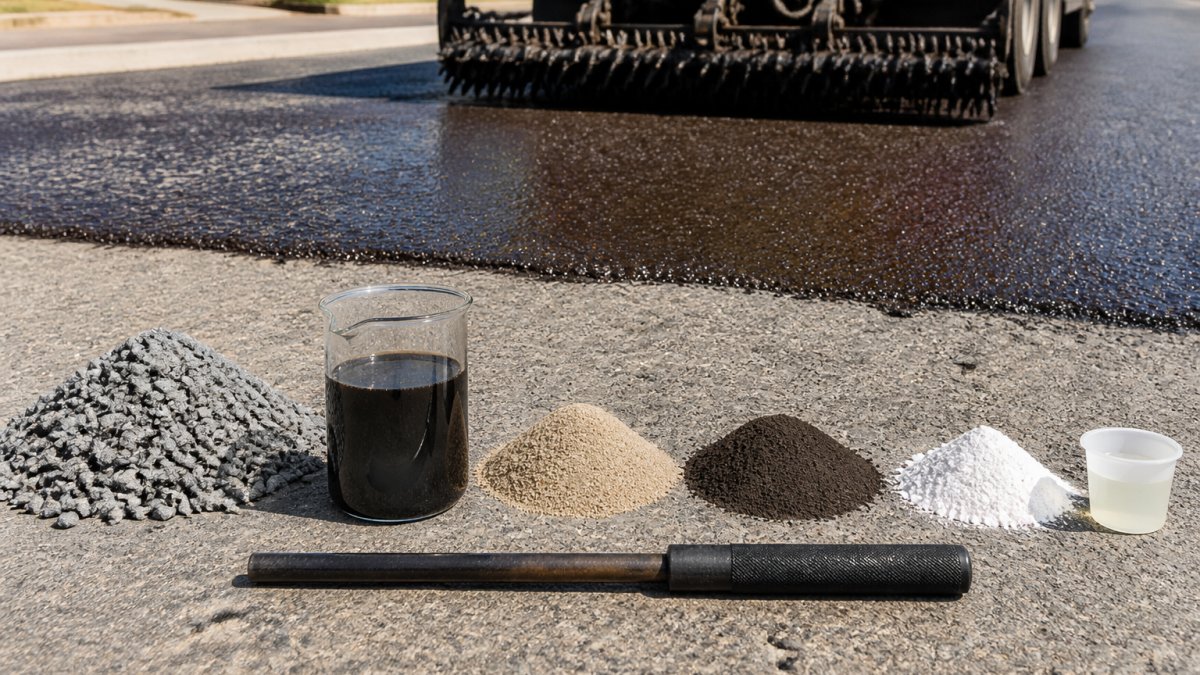
The two core chip seal materials are asphalt binder and uniformly graded aggregate. Binder options include emulsified asphalt, hot-applied binder, and polymer-modified emulsion, while aggregate must be clean, durable, single-particle-size crushed stone. Additives and fibers exist to help the binder and aggregate work together.
- Asphalt emulsion used in chip sealing is typically mixed with approximately 30% water.
- Polymer-modified binders significantly improve aggregate retention in chip seal applications.
- Four aggregate requirements decide performance: durability, shape, gradation, and cleanliness.
- AASHTO MP 27-16 is the standard specification for chip seal materials.
- Ask for the residual binder application rate in gallons per square yard when comparing bids.
Table of Contents
- The Two Core Chip Seal Materials
- Asphalt Binders: Emulsion, Hot-Applied, and Polymer-Modified
- Chip Seal Aggregate Requirements That Decide Performance
- Additives and Fibers That Improve Aggregate Retention
- Material Compatibility: Matching Binder to Aggregate
- Chip Seal Maintenance Best Practices After Application
- What Drives the Cost of Chip Seal per Square Yard
- Get a Quote for Chip Seal Built on the Right Materials
- Frequently Asked Questions
The Two Core Chip Seal Materials
According to the Washington State Department of Transportation’s technical overview, asphalt emulsion used in chip sealing is typically mixed with approximately 30% water. That single fact explains why chip seal materials behave the way they do: what looks like a simple spray-and-spread operation is really a two-part chemical system that has to cure correctly.
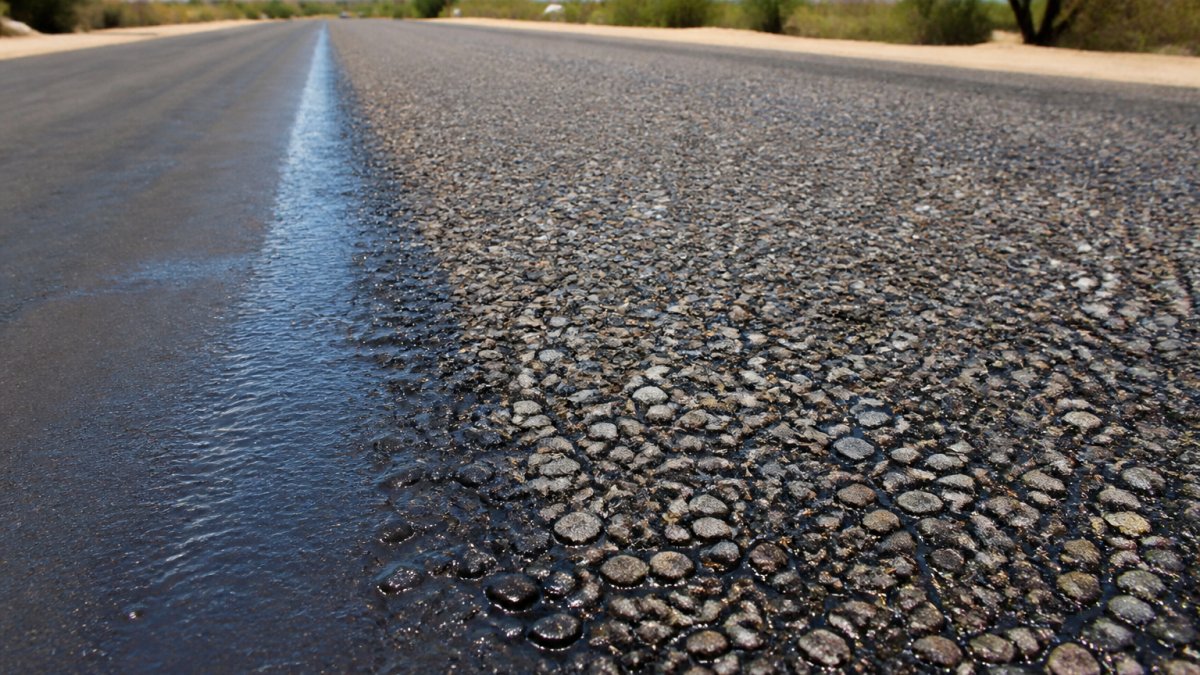
Chip seal is a pavement preservation treatment that bonds a thin layer of asphalt binder to a layer of uniformly graded aggregate, creating a new wearing surface over existing asphalt. The two core chip seal materials are the binder and the aggregate. Everything else, including additives, fibers, and pre-coatings, exists to help those two work together.
Errors in either one tend to show up within a season. Binder that’s too stiff cracks. Aggregate that’s too uniform in the wrong way strips out under traffic.
Asphalt Binders: Emulsion, Hot-Applied, and Polymer-Modified
The binder is the glue, and there are three families worth knowing. Emulsified asphalt is the workhorse: asphalt cement suspended in water with an emulsifying agent, sprayable at lower temperatures and safer to handle. Hot-applied binder, including performance-graded asphalt cement, requires heated distributor trucks and delivers strong early adhesion but demands tighter temperature control on the job. Polymer-modified emulsions add elastomers that resist bleeding in heat and cracking in cold.
Here’s where the research gets interesting. A study from the Oregon Department of Transportation concluded that polymer-modified binders significantly improve aggregate retention in chip seal applications. That’s the whole ballgame. Aggregate retention is what keeps rock in the mat instead of in your windshield.
Cutback asphalts, which use solvent instead of water to thin the binder, are generally discouraged or prohibited in modern chip seal work for environmental and performance reasons, according to Penn State’s Dirt and Gravel Center. We don’t specify them.
Chip Seal Aggregate Requirements That Decide Performance
Clean, durable, single-particle-size crushed stone is the standard. Think granite, limestone, or slag, screened to a tight gradation band so every stone sits at a consistent depth in the binder.
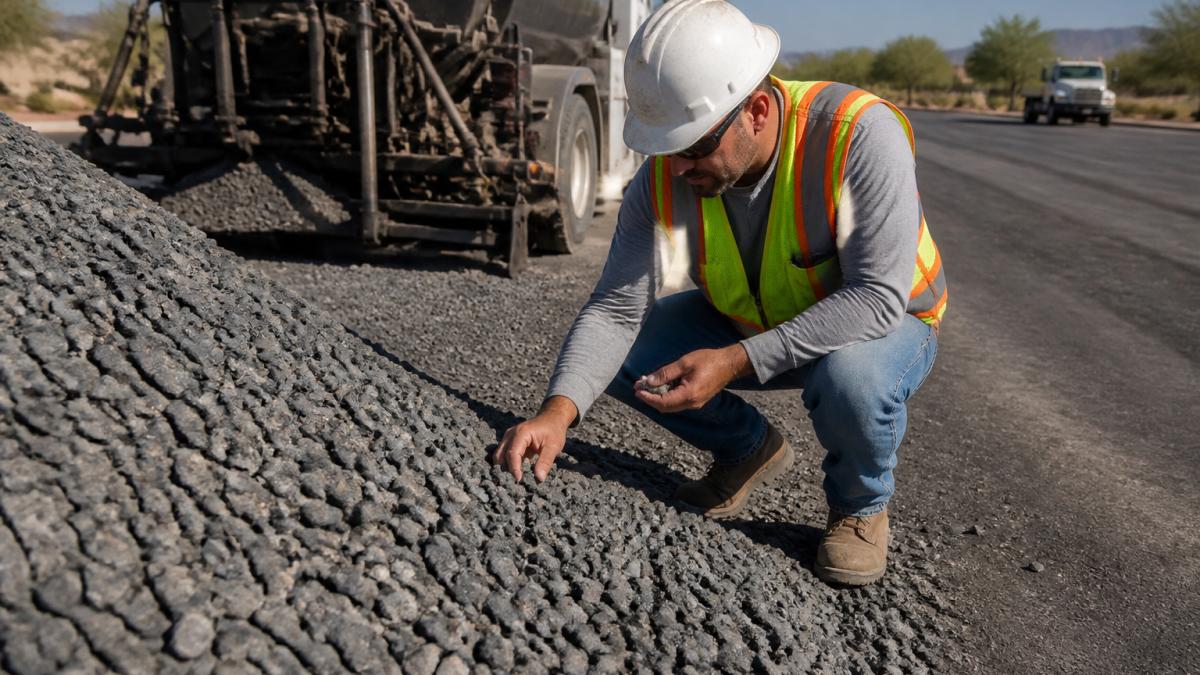
The International Slurry Surfacing Association emphasizes that aggregates must be durable and high-quality, and that pre-coated aggregate can improve adhesion to the binder.
Four aggregate requirements decide performance:
- Durability: resists crushing and freeze-thaw breakdown
- Shape: angular crushed faces grip better than rounded gravel
- Gradation: single particle size, tightly screened
- Cleanliness: dust and fines block adhesion
Dusty aggregate can prevent the binder from bonding, and the failure may show up as raveling months later.
Additives and Fibers That Improve Aggregate Retention
Additives are where modern chip seal has moved fastest. Asphalt Magazine reports an industry shift toward polymer-modified emulsions and the inclusion of fibers to improve performance and durability. Fibers act as a reinforcement network in the binder film, holding it in place during curing and reducing drain-down on steeper grades.
You’ll also see crumb rubber and adhesion promoters in the mix. Crumb rubber adds elasticity and can extend binder life; adhesion promoters help the binder grip stone that’s harder to wet out. None of these replace good base materials. They amplify what’s already there.
Material Compatibility: Matching Binder to Aggregate
Compatibility is the step most specifications skip, and it’s where good materials go bad. Binder viscosity and aggregate surface chemistry have to agree.
The Pavement Preservation & Recycling Alliance points to AASHTO MP 27-16 as the standard specification for chip seal materials, and design frameworks like the Kearby and McLeod methods set application rates for binder and aggregate. Those methods exist precisely because the right ratio changes with the materials in front of you.
Why Binder and Aggregate Fight Each Other
Two mechanisms drive most compatibility failures:
- Absorption. Porous aggregates such as some limestones and sandstones pull binder into the pore structure, leaving too little film on the surface to hold the chip. The result is raveling within the first season. Highly absorptive stone typically needs a richer binder rate or a pre-coated chip.
- Surface charge and wetting. Emulsified binders carry an ionic charge (cationic or anionic) that must wet the stone surface. Siliceous aggregates like granite and quartzite are notoriously hard to wet with some emulsions, which is why adhesion promoters and pre-coated chips are common with those stone types.
A common pattern in the field: the same emulsion that performs well on limestone ravels on granite unless the formulation or the chip treatment changes. That is a compatibility problem, not a materials-quality problem.
Material Compatibility Matrix
Use this as a starting point, not a substitute for a mix design:
| Binder Type | Best-Matched Aggregate | Mechanism / Why It Works | Watch For |
|---|---|---|---|
| Emulsified asphalt (unmodified) | Clean crushed limestone | Limestone wets readily with most emulsions; moderate absorption holds binder film | Slow cure in cool, humid weather; avoid highly absorptive stone |
| Polymer-modified emulsion | Granite, slag, or pre-coated crushed stone | Elastomers resist bleeding and hold chip on low-absorption, hard-to-wet stone | Higher cost; longer setup before traffic |
| Hot-applied (PG) binder | Pre-coated crushed stone | Heat drives adhesion; pre-coat bridges the binder-stone bond | Tight temperature control on the distributor and chip spreader |
| Fiber-reinforced emulsion | Single-size crushed rock | Fiber network reduces drain-down and holds binder film on grade | Extra mixing discipline; not a substitute for clean stone |
| Crumb-rubber modified emulsion | Angular crushed granite or slag | Rubber adds elasticity and improves chip retention on high-stress surfaces | Requires compatible emulsion chemistry; verify with supplier |
Reading the Matrix in the Field
Three practical rules keep compatibility from becoming a callback:
- Match absorption to binder rate. If the stone drinks binder, increase the residual binder rate or pre-coat the chip. Do not simply add more emulsion at the spray bar without adjusting the chip rate.
- Match charge to stone. Confirm the emulsion’s ionic charge against the aggregate source. A cationic emulsion on a siliceous stone is a common mismatch that shows up as early chip loss.
- Match stiffness to traffic and climate. Polymer-modified binders earn their premium on heavy-traffic lots and in heat; unmodified emulsion is often sufficient on low-speed residential drives.
If you want the full picture of how we apply these combinations, see our chip seal service overview.
Chip Seal Maintenance Best Practices After Application
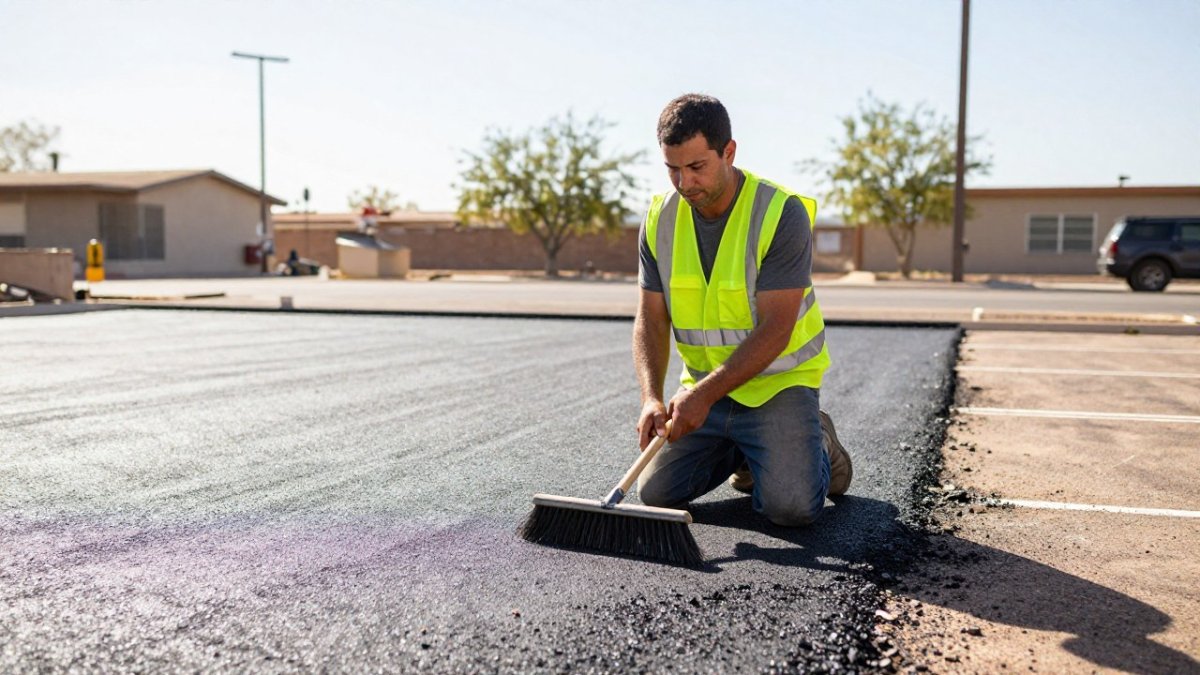
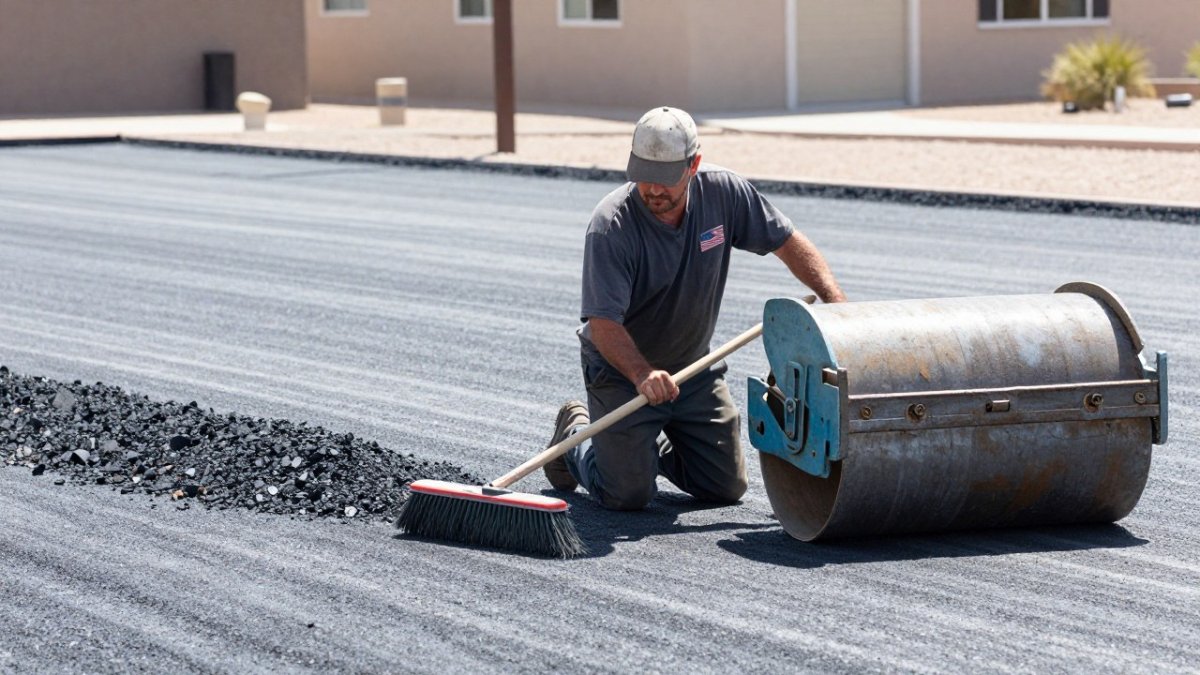
Curing time is not optional. Fresh chip seal needs time and traffic control before it takes full load, and sweeping loose aggregate in the first days prevents both raveling and windshield damage. Keep heavy trucks off new seal until the binder has set, and schedule a follow-up sweep once the surface stabilizes.
Ongoing maintenance is straightforward:
- Sweep regularly to clear loose stone and debris
- Seal cracks as they appear, before water gets into the base
- Avoid sharp turns and heavy braking on fresh seal
- Re-inspect annually for bleeding or raveling
For the broader upkeep picture, our parking lot maintenance service covers the surrounding work. If you have follow-up questions about materials or schedules, the FAQ page answers the ones we hear most.
What Drives the Cost of Chip Seal per Square Yard
The cost of chip seal per square yard depends on binder type, aggregate choice, surface preparation, and site access, not on a single flat rate. Polymer-modified binders and pre-coated aggregate cost more than basic emulsion and clean stone.
We won’t quote a number here, because pricing depends on quantity, site conditions, and scheduling. What we will say: chip seal is typically a fraction of full-depth replacement, and it’s the reason preservation budgets stretch further. For budgeting guidance across asphalt maintenance, our blog covers the trade-offs.
The cheapest bid usually reflects thinner binder or cheaper aggregate. That’s not a saving; it’s a shorter lifespan.
The Lifecycle Cost Angle Most Bids Miss
A chip seal decision is not a first-cost decision. It is a lifecycle-cost decision, and the material choices on this page shift that math more than any other variable. Three cost drivers matter over the life of the surface:
- Binder type. Polymer-modified emulsion carries a higher unit cost than unmodified emulsion, but it typically extends the interval between reseals on heavy-traffic surfaces. On a low-speed residential drive, the premium often does not pay back before the next scheduled treatment.
- Aggregate quality. Pre-coated, single-size crushed stone costs more per ton than clean, uncoated chip, but it improves retention and reduces loose-chip callbacks and windshield claims. The savings show up in reduced maintenance, not in the bid tab.
- Surface preparation. Crack sealing, patching, and sweeping before the seal are line items that protect the investment. Skipping them to hit a budget number is the most common way a chip seal underperforms its expected service life.
A Practical Way to Compare Bids
When you compare chip seal bids, normalize them before you compare totals:
- Ask for the residual binder application rate (not the emulsion rate) in gallons per square yard, and the chip spread rate in pounds per square yard. Bids that omit these are not comparable.
- Confirm the binder family (unmodified emulsion, polymer-modified, or hot-applied) and the aggregate source and gradation.
- Confirm prep scope, crack sealing, patching, and sweeping, as separate line items.
- Ask for the expected reseal interval based on the proposed materials and your traffic. That number, not the bid total, is what you are really buying.
A bid that is 15% lower because it uses unmodified emulsion and uncoated chip on a heavy-traffic lot is not a 15% saving; it is a shorter lifecycle with more frequent reseals and a higher chance of raveling callbacks. The reverse is also true: paying for polymer-modified binder on a low-speed residential drive is often money that would be better spent on prep and drainage.
For a site-specific number, request a quote with the material specification attached so you can compare bids on equal terms.
Get a Quote for Chip Seal Built on the Right Materials
The material choices on this page decide whether your chip seal lasts five years or fifteen. Binder, aggregate, additives, and compatibility are not interchangeable line items, and we don’t treat them that way.
Global Paving brings over two decades of experience to commercial, industrial, and HOA properties, with a refusal to cut corners on materials and a commitment to transparent communication and no high-pressure sales. We tailor the mix to your traffic, budget, and operations, and we minimize disruption while we work.
Get started with Global Paving and a chip seal built on materials matched to your pavement. Contact us for a quote.
Frequently Asked Questions
Is emulsified asphalt the same as hot liquid asphalt?
No. Emulsified asphalt is binder mixed with roughly 30% water, per the Washington State Department of Transportation, so it can be sprayed at lower temperatures. Hot-applied asphalt is heated and placed without water. Emulsions are the standard choice for chip seal because they cure as the water evaporates, while cutback asphalts are discouraged or prohibited in modern chip seal work for environmental and performance reasons.
What types of aggregate are best for chip seal?
Durable, single-particle-size crushed stone works best: granite, limestone, or slag, per the International Slurry Surfacing Association. Pre-coated aggregate improves adhesion to the binder. Oregon Department of Transportation research found polymer-modified binders significantly improve aggregate retention, which matters most on lots carrying delivery trucks and forklifts. Avoid dusty or rounded gravel that will not embed into the binder.
How expensive is chip seal paving?
The cost of chip seal per square yard depends on binder type, aggregate choice, surface preparation, and project size, so pricing is quoted per site rather than published as a flat rate. Polymer-modified emulsions and pre-coated aggregate raise material cost but extend pavement life. Ask for an itemized quote that separates materials, prep, and traffic control so you can compare bids fairly.
How does the chip seal process work?
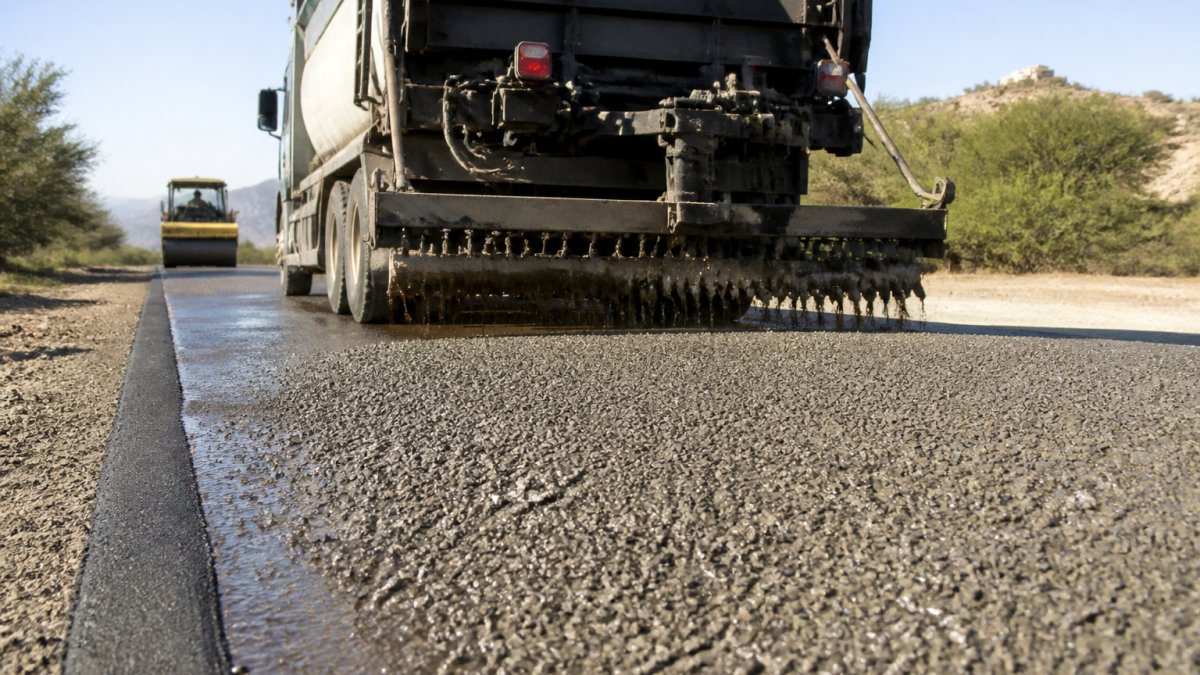
A distributor truck sprays asphalt emulsion onto a cleaned, prepared surface. An aggregate spreader follows immediately, laying single-size crushed stone into the wet binder. Pneumatic rollers then compact the stone to set aggregate embedment. After curing time, loose chips are swept away. Each step depends on the previous one: poor surface preparation or a delayed spread lets the binder cool or break before the rock bonds.