Table of Contents
- Why Chip Seal for Commercial Properties Makes Sense in 2026
- Chip Seal vs Asphalt: Which Surface Wins for Parking Areas?
- The Chip Seal Application Process, Step by Step
- Chip Seal Parking Lot Cost: What Drives the Number
- Chip Seal Lifespan and Lifecycle Cost on Commercial Sites
- Matching Chip Seal to Traffic Volume and Site Operations
- When Chip Seal Is the Wrong Choice for Commercial Properties
- Frequently Asked Questions
Last Updated: October 14, 2026
Why Chip Seal for Commercial Properties Makes Sense in 2026
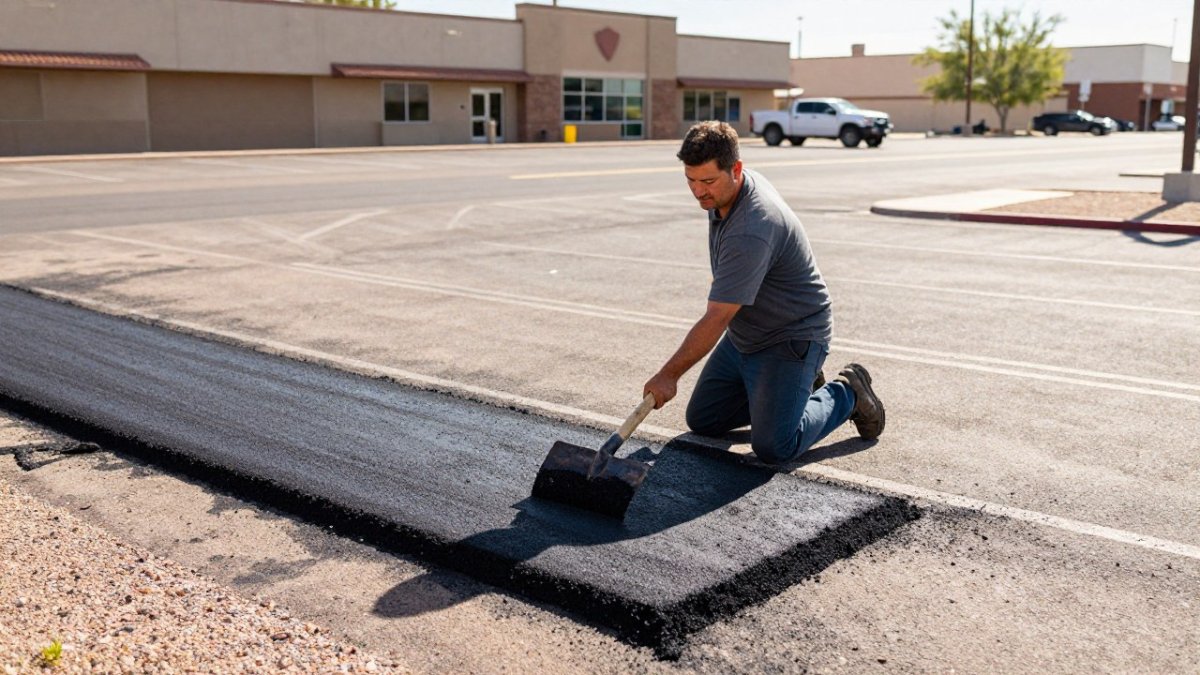
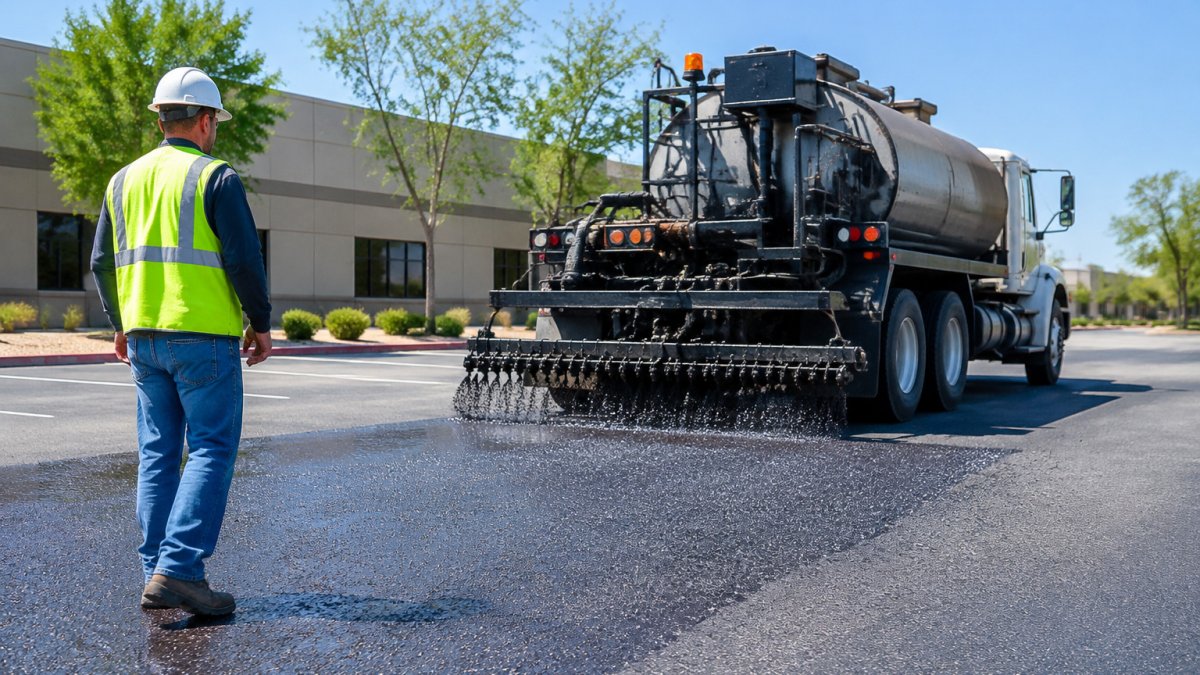
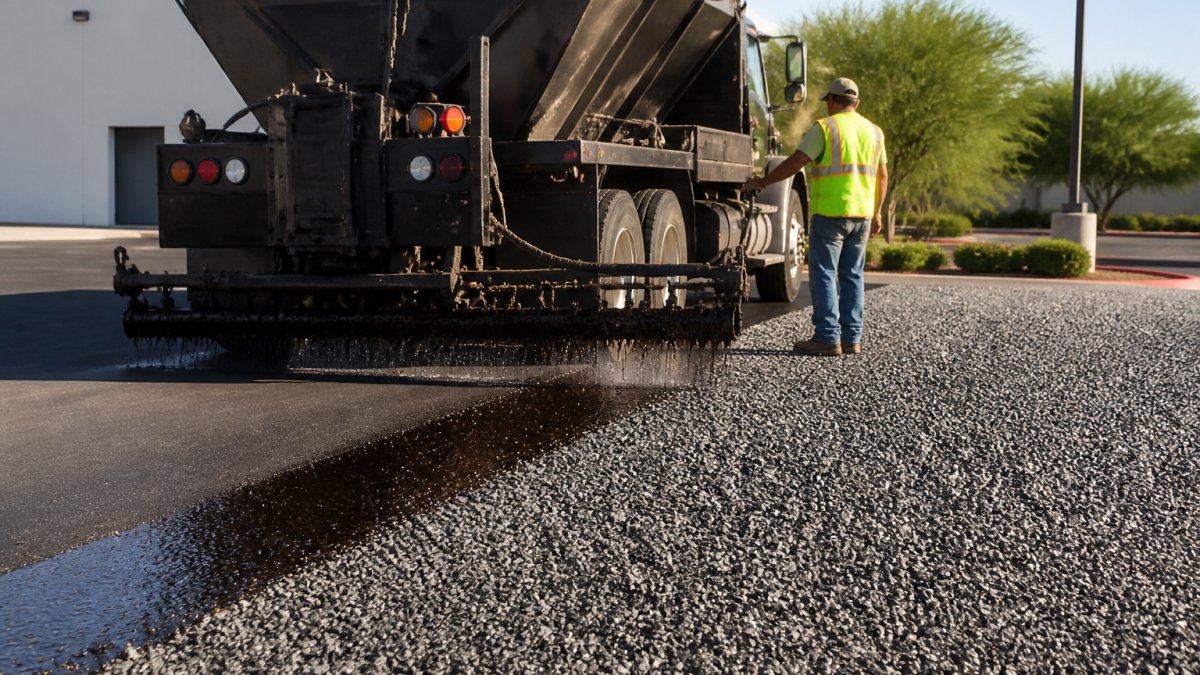
Chip seal for commercial properties is a pavement preservation method that sprays liquid asphalt emulsion onto an existing surface, covers it with crushed rock, and rolls the aggregate into the binder to create a new wear surface.
Chip seal can be a cost-effective alternative to traditional asphalt replacement. It seals the surface against water intrusion and restores skid resistance on aging pavement.
The catch is that it only works on the right surface. Below, we break down where chip seal wins, where it fails, and how to plan a project around your tenants instead of against them.
Chip Seal vs Asphalt: Which Surface Wins for Parking Areas?
Chip seal is a surface treatment applied over sound existing pavement, while asphalt replacement builds a new structural layer from the ground up. The right choice depends on whether your problem is the surface or the structure beneath it.
Here’s the honest comparison:
| Factor | Chip Seal | Asphalt Overlay/Replacement |
|---|---|---|
| Best for | Sound pavement needing protection | Cracked, rutted, failing base |
| Upfront cost | Lower | Higher |
| Service life | Shorter, needs reapplying | Longer |
| Downtime | Minimal | Days to weeks |
| Fixes structural damage | No | Yes |
Applying chip seal over pavement with alligator cracking or rutting is a waste of money. The cracks reflect through within a season, and you’ve spent budget on a surface that was never the real problem.
If your lot has good bones but a tired surface, chip seal is the smarter spend. If the base is failing, no surface treatment saves it.
The Chip Seal Application Process, Step by Step
Chip seal application is a sequence of four steps: prepare the surface, spray the asphalt emulsion, spread aggregate chips, and roll the aggregate into the binder.
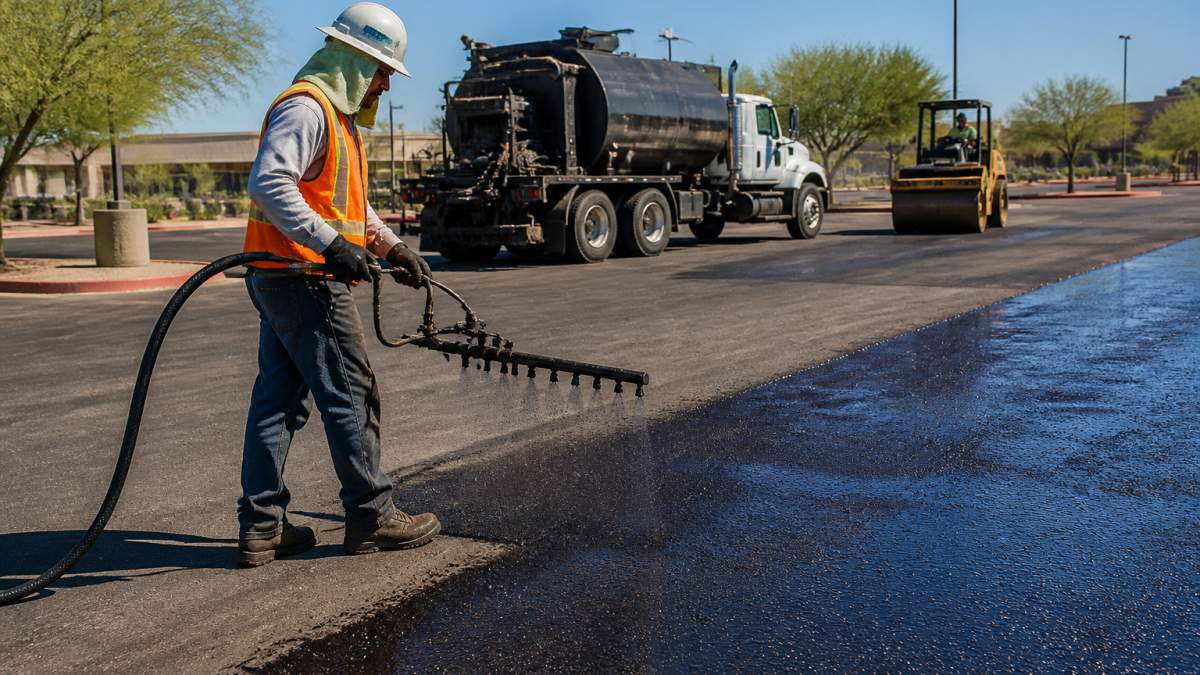
Surface Preparation and Existing Pavement Condition
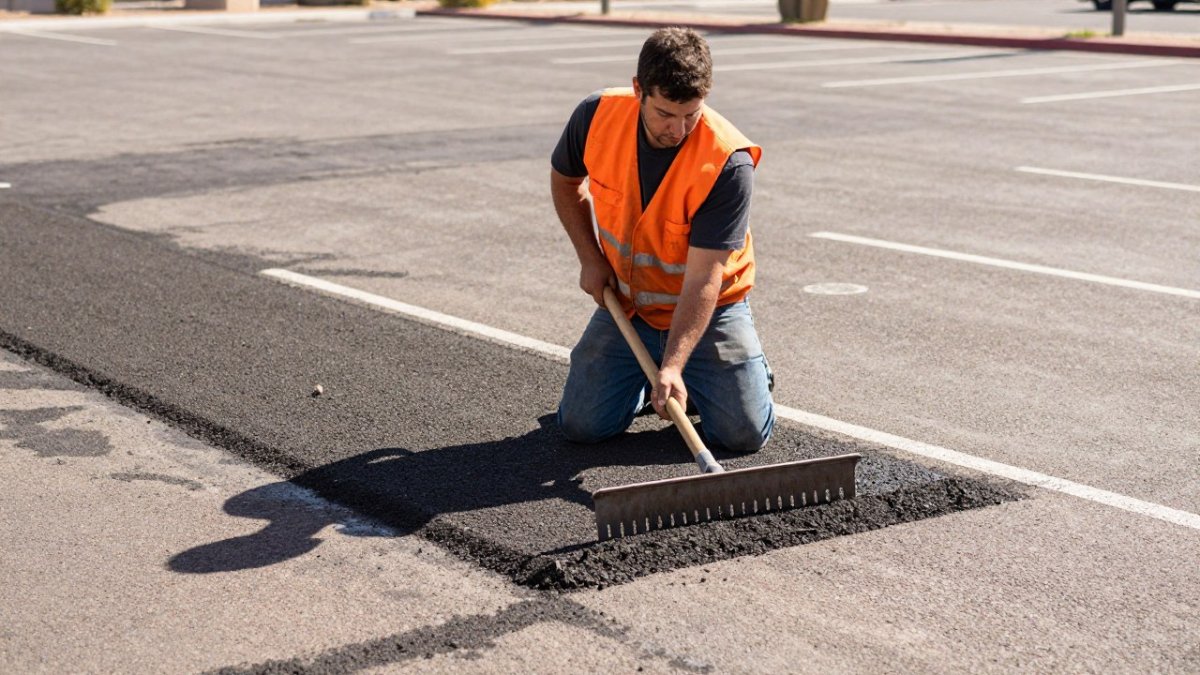
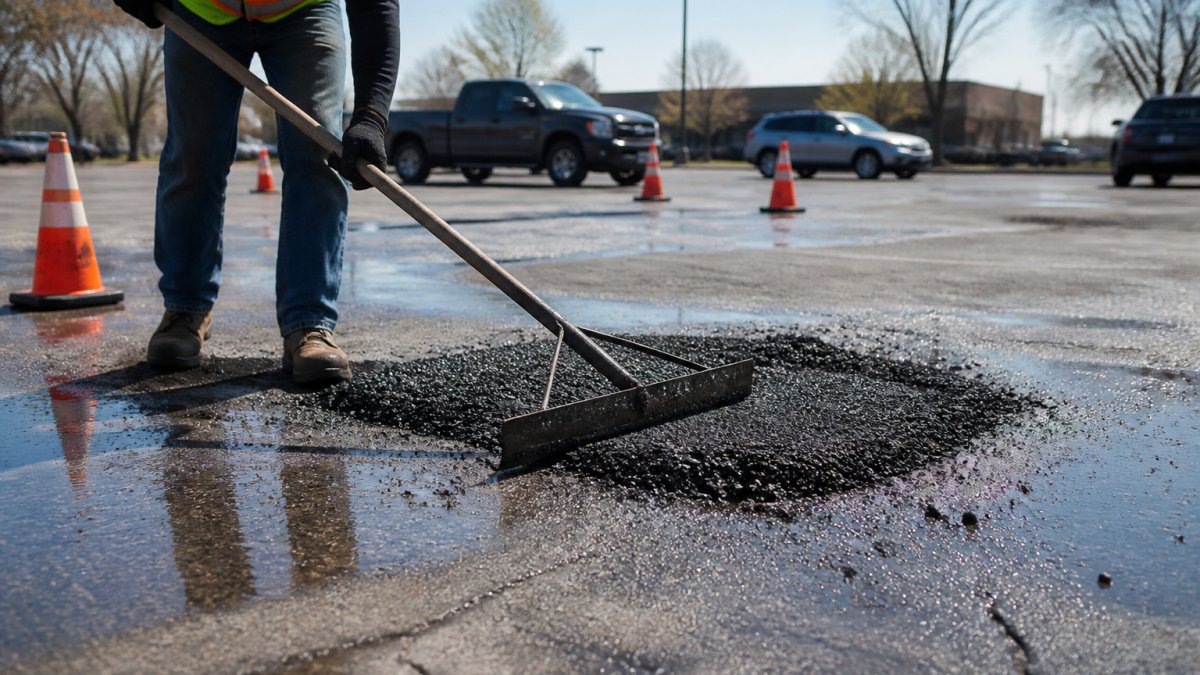
Preparation decides the outcome. Crews clean the pavement, seal cracks, and fix drainage issues before any emulsion touches the surface. Skipping crack sealing lets water work under the new layer and pop it loose.
Application, Curing, and When Traffic Can Return
The emulsion goes down, aggregate chips follow immediately, and rollers press the chips into the binder. Curing typically takes hours to a day depending on weather. Loose chips get swept before traffic returns.
Schedule chip seal in warm, dry conditions. Cool or damp weather slows curing and weakens chip embedment, which means more loose aggregate and callbacks.
Chip Seal Parking Lot Cost: What Drives the Number
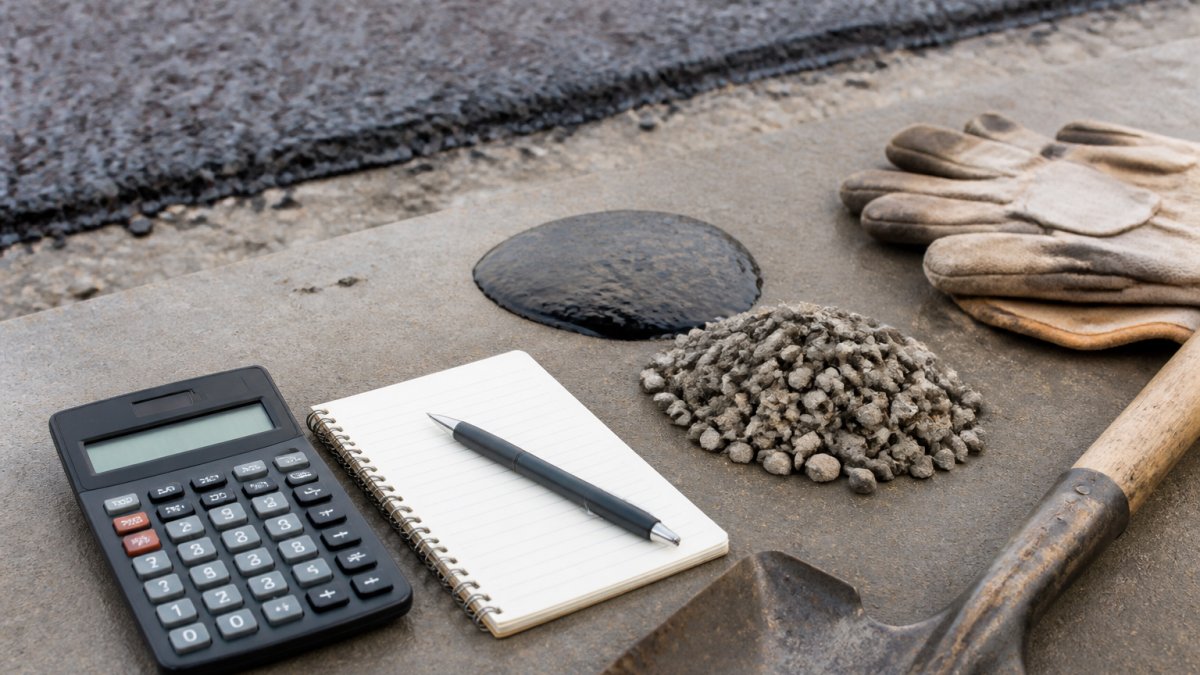
Chip seal parking lot cost is quoted per square yard, not per square foot, and the number moves with prep scope, aggregate choice, emulsion type, site layout, and season. Most contractors will not commit to a firm figure without walking the lot, because two 50,000-square-foot lots in the same city can land thousands of dollars apart once crack sealing and patching are counted.
How the Number Is Built
A chip seal bid is really four line items stacked together:
- Surface preparation, sweeping, crack sealing, patching, and spot repairs. On a lot with 10 to 15 percent surface cracking, prep can run 20 to 30 percent of the total job.
- Emulsion and aggregate, the binder and chip spread. Aggregate choice (local crushed stone versus a washed, pre-coated blend) swings material cost noticeably.
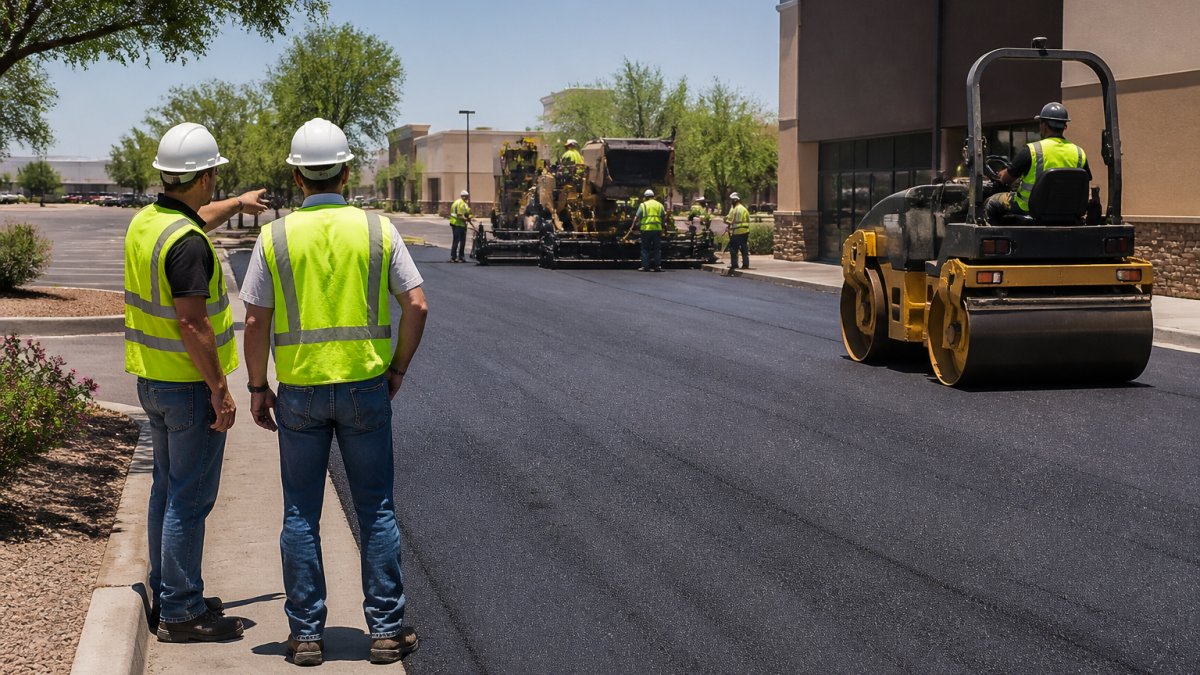
- Application labor and equipment, distributor truck, chip spreader, pneumatic rollers, and the crew to run them. Mobilization is a fixed cost, so small lots carry a higher per-yard rate.
Why Per-Unit Pricing Varies So Widely
The variables that push a lot toward the top of the range are:
- Heavy prep, extensive crack sealing, patching, or drainage correction before the seal goes down.
- Tight access, narrow drive aisles, low clearances, or occupied tenant spaces that slow the crew.
- Phased work, sealing half a lot at a time to keep the business open doubles mobilization and traffic control.
Chip Seal Versus Asphalt Replacement: The Real Cost Gap
Upfront, chip seal is a fraction of the cost of a mill-and-overlay or full-depth replacement. The more useful comparison is over a defined period. Consider a 50,000-square-foot commercial lot with a sound base and a 20-year horizon:
- Full-depth replacement, one large capital event, typically several dollars per square foot, plus restriping and several days of closure.
- Chip seal preservation cycle, an initial application, a reapplication every few years, an optional fog seal between cycles, and routine crack sealing. The spend is smaller and spread across budget years instead of landing in one.
The preservation path wins on total cost only if the base is sound. If the lot already needs structural repair, chip seal is money spent on top of a problem that will resurface within a season.
What to Ask For in a Quote
A usable chip seal proposal should state the square yardage, the emulsion type and application rate, the aggregate size and source, the prep scope (how many linear feet of crack sealing, how many patches), the traffic control plan, and the restriping scope. If a bid is a single lump-sum number with no breakdown, you cannot compare it to the next one.
Ask each bidder to price the same prep scope. A low bid that skips crack sealing is not a cheaper job, it is a shorter one.
We quote every project after walking the site, because a phone estimate for chip seal is a guess dressed up as a price. Request a quote and we’ll assess your pavement honestly.
Chip Seal Lifespan and Lifecycle Cost on Commercial Sites
Chip seal lifespan typically runs several years before it needs reapplying, and that shorter cycle is the point. You’re trading one large replacement bill for smaller, predictable preservation costs over time.
Lifecycle cost is where chip seal earns its place. A lot that gets chip sealed every few years avoids the full-depth failure that forces a complete rebuild.
The math favors preservation on sound pavement. On failing pavement, it doesn’t.
Matching Chip Seal to Traffic Volume and Site Operations
Most guides stop at “chip seal is for low-traffic lots.” That is not a decision tool. What actually determines whether chip seal holds up on a commercial site is the type of traffic, where that traffic moves, and how the surface interacts with striping, drainage, and daily operations.
Suitability by Traffic Type
- Employee and customer parking, the strongest candidate. Passenger vehicles at low speeds, distributed across stalls, put minimal shear stress on the surface. A single-course chip seal with a mid-size aggregate performs well here.
- Light delivery and service vehicles, a good fit with the right aggregate. Vans, box trucks under 10,000 pounds, and occasional single-axle deliveries are within range if the base is sound and the chip is properly embedded.
- Heavy trucks and tractor-trailers, a poor fit for standard chip seal. Loaded tandems and tri-axles create high shear at the tire edge, and the aggregate can ravel or dislodge. If your lot sees regular heavy deliveries, plan for a different treatment on those lanes.
Turning, Braking, and Acceleration Zones
Traffic type matters less than where the stress lands. The failure points on a chip-sealed commercial lot are almost always the same:
- Drive aisle intersections, vehicles turning at low speed scrub the surface laterally.
- Stop bars and exit approaches, braking and acceleration shear the aggregate.
- Dumpster pads and loading approaches, heavy, slow, turning traffic.
A practical approach is to chip seal the parking field and drive aisles, then use a different treatment, asphalt patch, concrete, or a heavier-duty surface, at the high-stress points. This hybrid approach is what separates a lot that lasts from one that needs patching within a year.
Accessibility, Striping, and Markings
Chip seal creates a textured surface, and that texture affects how markings perform and how accessible routes feel.
- Accessible parking and routes, accessible stalls, access aisles, and the route from parking to the building entrance must be restriped to current standards after the surface cures. The Americans with Disabilities Act (ADA) sets the design requirements for accessible parking spaces, access aisles, and signage; restriping is not optional after a surface treatment.
- Marking durability, paint adheres differently to a chip-sealed surface than to smooth asphalt. Expect to use a heavier paint application or a thermoplastic marking, and expect to restripe sooner than you would on new asphalt.
- Stall layout, the chip texture does not change stall dimensions, but it does make faded or worn striping harder to read. Restripe the full lot, not just the accessible spaces.
Drainage Paths and Water Flow
Chip seal raises the surface slightly and changes how water sheets across the lot. Two things to check before and after application:
- Positive flow to drains, the lot should still slope toward catch basins. If water ponded before the seal, it will pond after.
- Inlet protection, loose chips can migrate into catch basins during the sweep. Confirm the contractor protects inlets and sweeps thoroughly before reopening.
Planning Around Business Operations
Downtime is the question every property manager asks first. Realistic expectations:
- Curing, the emulsion typically cures within hours to a day in warm, dry conditions. Cool or humid weather extends that window.
- Reopening, light traffic can usually return after final sweeping, but heavy vehicles should stay off longer.
- Phased work, sealing half the lot at a time keeps the business open, but it doubles mobilization and traffic control cost and extends the overall schedule.
- Scheduling, most crews want warm, dry conditions with no rain in the forecast for at least 24 hours. Late spring through early fall is the practical window in most markets.
Match the treatment to the traffic and the stress zone, not the budget alone. Chip seal the parking field, protect the turning and braking zones, and plan the schedule around your tenants, not the other way around.
When Chip Seal Is the Wrong Choice for Commercial Properties
Chip seal fails when the pavement beneath it is already failing. Structural cracking, rutting, and base failure all rule it out until repairs happen first.
- Alligator cracking across the surface
- Deep ruts from heavy loads
- Soft spots or base failure
- Standing water from poor drainage
If your lot shows these signs, chip seal is a bandage on a broken bone. We focus on transparent communication and lasting client relationships.
Frequently Asked Questions
Is chip seal a good idea for commercial properties?
Chip seal works well for commercial properties with passenger traffic, light delivery vehicles, and parking areas that see moderate use. It restores skid resistance, seals cracks, and blocks water intrusion at a fraction of the cost of full asphalt replacement. For distribution centers with constant forklift or heavy truck traffic, a different surface treatment may hold up better. The right call depends on your traffic volume, existing pavement condition, and how long you need the surface to last.
How long does chip seal last on a commercial parking lot?
A properly applied chip seal on a commercial parking lot typically lasts five to seven years, depending on traffic volume, climate, and maintenance. In hot desert conditions with intense sun exposure, the surface can oxidize faster, so a fog seal applied two to three years after installation helps extend chip seal lifespan. Scheduling crack sealing before the chip seal goes down also adds years by keeping water out of the base.
How much does chip seal parking lot cost compared with asphalt?
Exact pricing depends on square footage, existing pavement condition, aggregate type, and site access. Request a quote with a detailed breakdown so you can compare upfront cost against long-term return on investment.
How long does a chip seal project take, and when can traffic return?
Most commercial chip seal projects are completed in one to two days for a typical parking area. After the final rolling, the surface needs a few hours to cure before light traffic returns. Heavy vehicles should stay off for at least 24 to 48 hours, and turning movements should be slow for the first few days to prevent scuffing. Phasing the work by section keeps your business open and minimizes downtime.
Your parking lot is a liability the moment water gets into the base. Global Paving has spent over two decades helping commercial, industrial, and HOA properties protect their pavement with chip seal and honest assessments. We walk every site, tailor the plan to your traffic and budget, and schedule work around your operations, not ours. Get a quote and find out whether chip seal is right for your property.