Last Updated: November 14, 2026
Quick Summary
Repairing potholes in chip seal roads requires squaring and cleaning the hole, filling it in compacted lifts, and then restoring the surface with binder and aggregate matched to the surrounding chip seal. A chip seal patch is not finished when the hole is filled but when the patch matches the surrounding aggregate and binder. If the base moves when you press it, stop and plan a full-depth base repair instead.
- Chip seal is a thin surface treatment, often under half an inch thick, with no slab to anchor a patch.
- Square the hole with a saw so the patch has straight walls to bond to.
- For a pothole deeper than about 2 inches, two lifts are typical; deeper holes may need three.
- Cold patch is a temporary fix for small holes, emergency fill, and low-traffic areas only.
- Seal cracks early, fog seal every few years, fix drainage, and repair edge damage to prevent repeat potholes.
Table of Contents
- Why Chip Seal Potholes Fail When Patched Like Standard Asphalt
- Assessing Pothole Size, Depth, and Base Damage Before You Patch
- Step-by-Step: Repairing Potholes in Chip Seal Roads
- Cold Patch Asphalt: Where It Works and Where It Fails
- Choosing the Right Asphalt Repair Mix for a Chip Seal Surface
- What Chip Seal Pothole Repair Cost Actually Covers
- Chip Seal Road Maintenance That Stops Repeat Potholes
- Get a Repair Plan for Your Chip Seal Surface
- Frequently Asked Questions
Why Chip Seal Potholes Fail When Patched Like Standard Asphalt
Chip seal is a thin surface treatment, not a structural layer.
So when someone drops cold mix into a chip seal hole and tamps it flat, the repair has nothing to grip.
The fix starts with understanding what chip seal actually is. Our chip seal overview walks through how the surface is built and where it stops being able to carry a patch.
The bigger mistake? Skipping the base. A pothole in chip seal is usually a symptom. The real problem sits underneath.
Assessing Pothole Size, Depth, and Base Damage Before You Patch
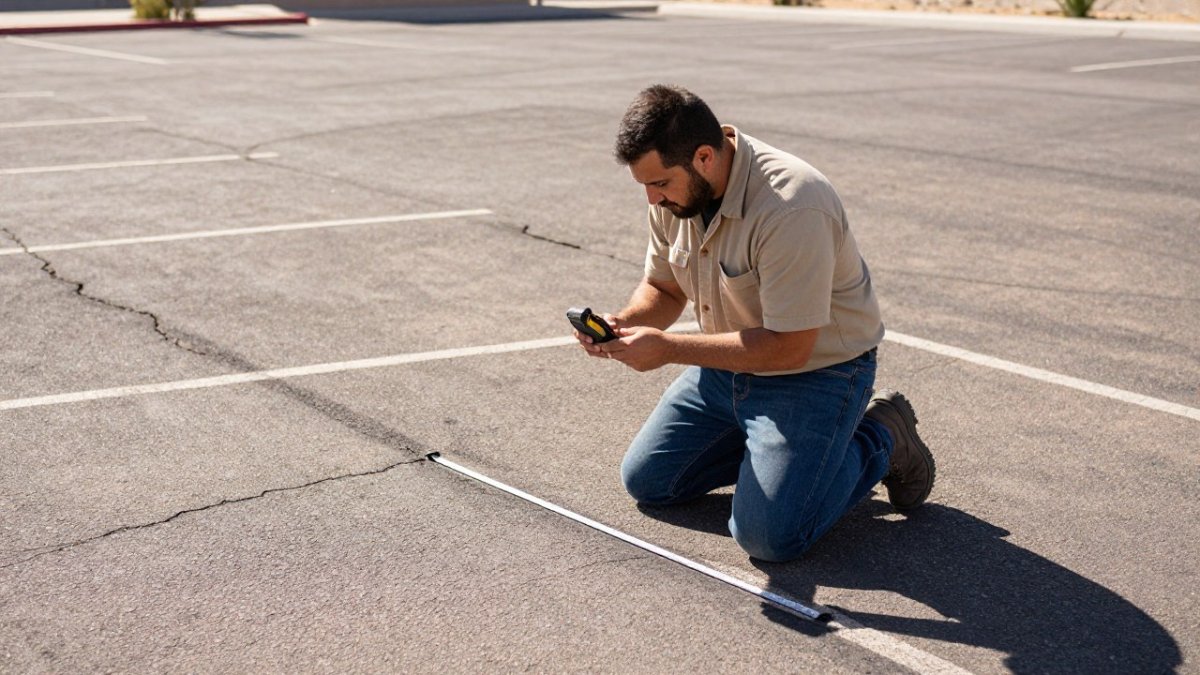
Before any patching, measure the hole and check what is under it. Depth and base condition decide the repair method more than the surface type does.
Walk the area and sort damage into three buckets:
- Surface chips: aggregate loss only, no depth. Fog seal or a small patch handles these.
- True potholes: broken through the surface into the base. These need full-depth repair.
- Base failure: soft, pumping, or rutted ground under the hole. Patching alone will fail here.
Check the edges too. Failing patches, alligator cracking, and active cracks wider than a quarter inch should be repaired before any chip seal work, according to best-practice chip seal guidance.
If the base moves when you press it, stop. You are looking at a base repair, not a patch.
Step-by-Step: Repairing Potholes in Chip Seal Roads
Here is the chip-seal-specific procedure most guides skip. The key difference from standard asphalt patching is the final surface restoration: a chip seal pothole repair is not finished when the hole is filled, it is finished when the patch surface matches the surrounding aggregate and binder.
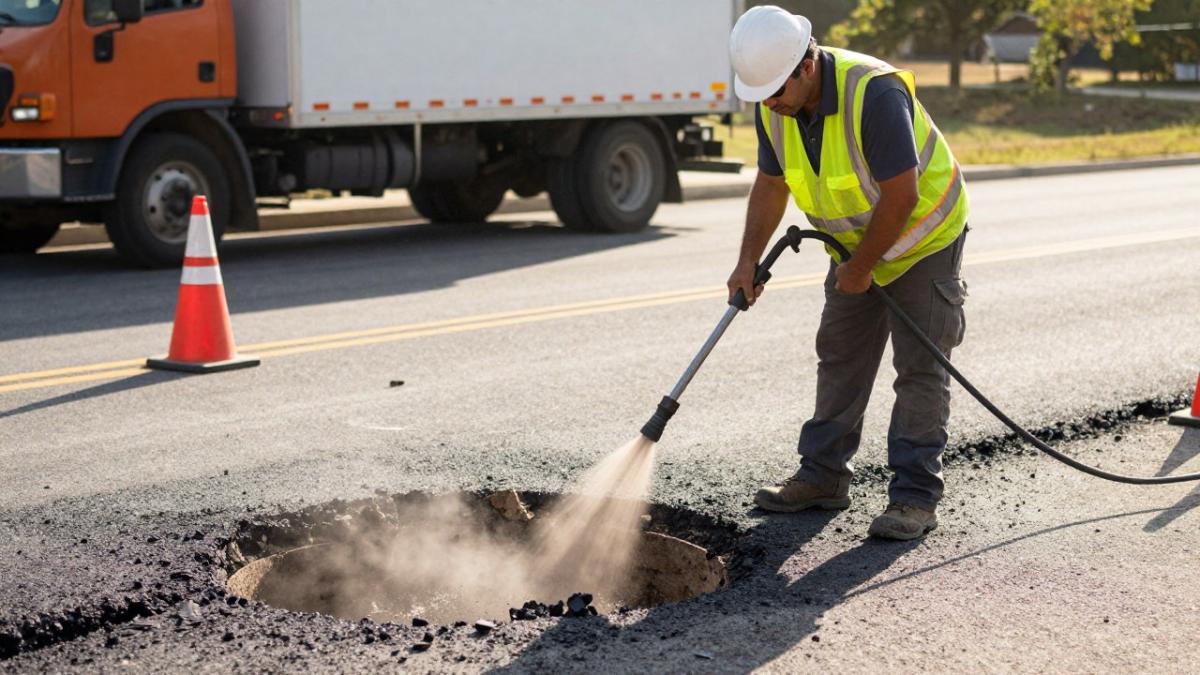
Step 1: Prepare and Clean the Patch Area
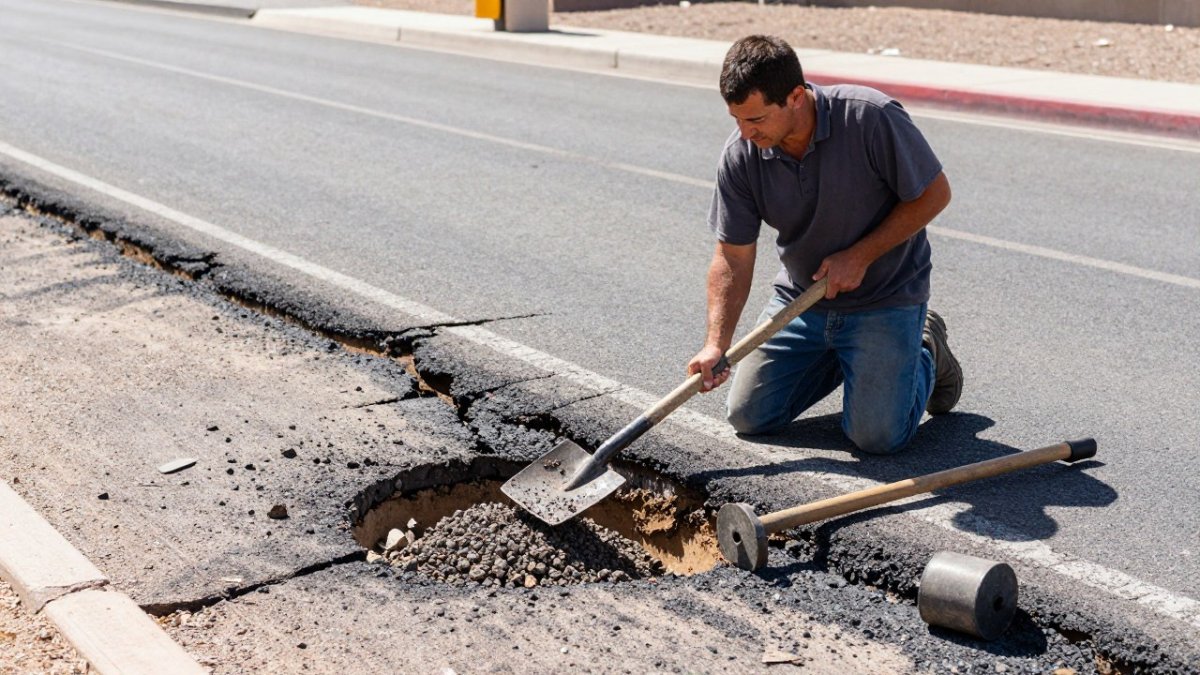
- Mark and cut the edges. Square the hole with a saw so the patch has straight walls to bond to. A squared edge gives the patch a vertical face to lock against; a feathered edge on a thin chip seal surface will unravel.
- Remove loose material. Dig out broken aggregate and any soft base until you hit solid ground. On a chip seal road, loose aggregate around the hole is a sign the binder has failed locally, remove it back to sound surface.
- Clean with compressed air. Blow out dust and grit. Damp, dirty walls kill the bond. If the walls are wet, let them dry or use a tack coat designed for damp conditions.
- Check drainage. Make sure water can escape. Trapped water is the number one cause of repeat potholes. If water pools in the hole, the base is already compromised.
Watch out: cutting a square edge in a thin chip seal can chip away surrounding aggregate if the surface is already brittle, score the outline first, then cut.
Step 2: Fill, Level, and Compact
- Fill in lifts. Add asphalt in layers, not one dump. Compact each lift before the next. For a pothole deeper than about 2 inches, two lifts are typical; deeper holes may need three.
- Level to the surface. The patch should sit flush, maybe a hair high so compaction brings it down. On a chip seal road, the finished patch should end up level with the surrounding aggregate, not proud of it.
- Compact firmly. Use a plate compactor or roller. Hand tamping leaves voids. Compaction is what gives the patch its density and keeps water out.
Step 3: Restore the Chip Seal Surface
This is the step that separates a chip-seal repair from a standard asphalt patch.
- Apply a tack coat to the patch surface and edges. A tack coat helps the new binder and aggregate bond to the patch and to the surrounding chip seal.
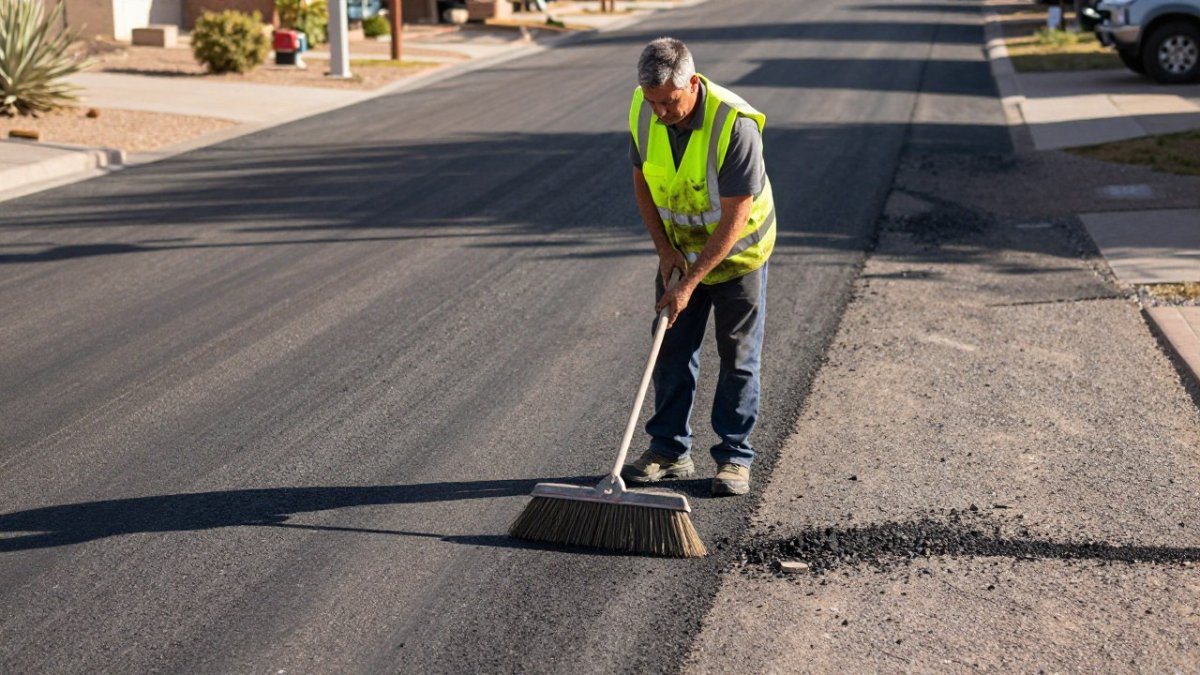
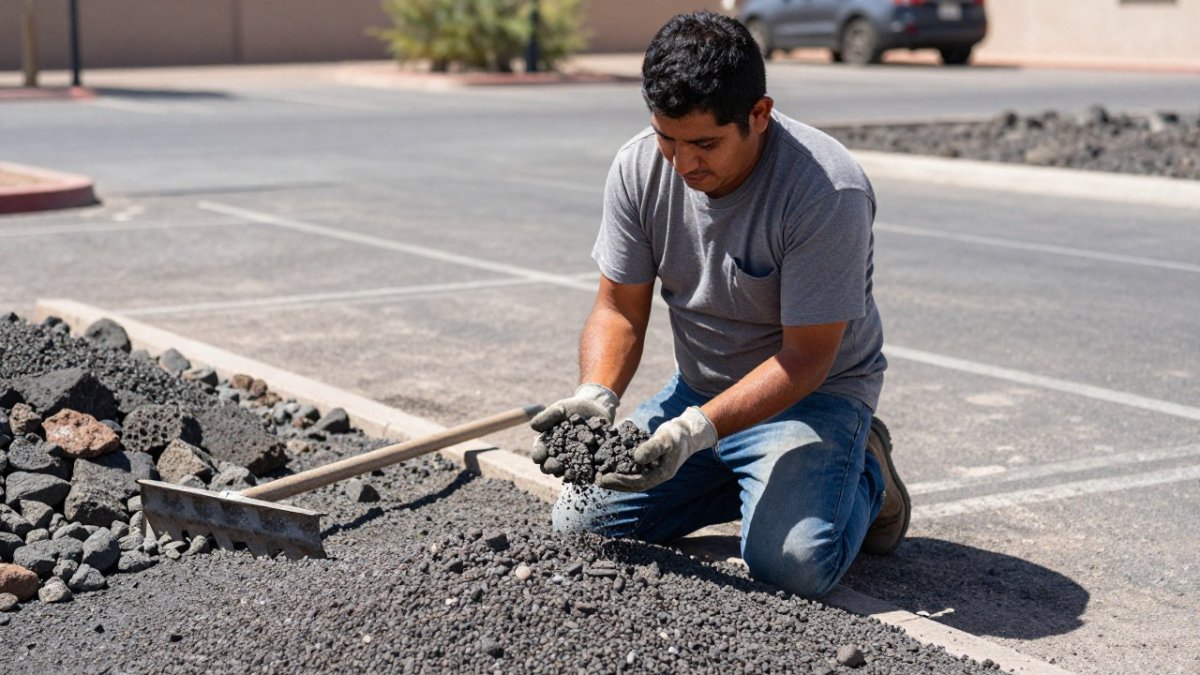
- Apply binder and aggregate. Spray a light coat of binder over the patch and immediately cover it with aggregate matched to the surrounding chip seal. Match the aggregate size, too coarse and the patch stands proud; too fine and it wears away.
- Compact the aggregate into the binder. Roll or plate-compact the aggregate so it embeds in the binder, just as it would in a new chip seal.
- Seal the edges. Run a fog seal or tack coat around the perimeter to lock out water. The edge is where most patches fail first.
Watch out: applying binder too heavily on a small patch can bleed to the surface and create a slick spot, apply in light, even coats and let the aggregate absorb it.
If you would rather hand the whole job to a crew, our asphalt repair service covers full-depth patching for chip seal surfaces.
Cold Patch Asphalt: Where It Works and Where It Fails
Cold patch asphalt is a temporary fix, and that is fine if you treat it that way. It works for small holes, quick winter repairs, and stopping water until a permanent fix is scheduled.
Cold mix does not bond as tightly as hot mix. On a thin chip seal surface, that weak bond lets the patch work loose under traffic.
Use cold patch for:
- Small holes under a few inches deep
- Emergency fill before a scheduled repair
- Low-traffic areas
Do not use it for:
- Holes with a soft base
- High-traffic industrial lots
- Anything you want to last more than one season
Choosing the Right Asphalt Repair Mix for a Chip Seal Surface
Matching the repair mix to the surface is where most DIY patches go wrong. A chip seal surface needs a mix that bonds to a thin, aggregate-rich layer. But the mix is only half the decision, the method has to match the pothole conditions. Use the framework below to choose a repair method by pothole size, depth, traffic, and weather.
Method Selection by Pothole Conditions
| Condition | Typical method | Why |
|---|---|---|
| Surface chip or aggregate loss, no depth | Fog seal or small patch | No structural repair needed; restore the binder and aggregate |
| Small hole, under a few inches deep, low traffic | Cold patch (temporary) | Fast, works in cool or wet weather, but not durable |
| Small to medium hole, dry weather, moderate traffic | Hot-mix asphalt patch with tack coat | Bonds better than cold mix and lasts longer |
| Larger hole or any soft base | Full-depth repair with base correction | Patching alone will fail if the base moves |
| High-traffic industrial lot or road | Hot-mix patch with chip seal surface restoration | Cold mix will chew up under heavy loads |
| Wet or cold conditions, permanent fix not possible | Cold patch as a stopgap, schedule hot-mix repair | Cold mix is the only option in poor weather |
Most practitioners find that the deciding factor is not the surface type but the base condition. If the base moves when you press it, no mix choice will save the patch.
Matching the Mix and Aggregate
Hot-mix asphalt with reclaimed pavement and preheating has been studied by the Rutgers Center for Advanced Infrastructure and Transportation as a way to improve patch durability. Our guide on how to choose chip seal aggregate size breaks down the seven steps to get that match right.
A few rules we follow:
- Use hot mix for permanent patches when weather allows
- Match aggregate size to the existing chip seal
- Apply a tack coat so the patch bonds to the old surface
Watch out: using a cold patch in a high-traffic area as a permanent fix is the most common cause of repeat potholes, cold mix is a stopgap, not a solution.
What Chip Seal Pothole Repair Cost Actually Covers
Chip seal pothole repair cost depends on the size, depth, and base condition of each hole, plus how many you have. There is no single price, and anyone quoting one over the phone is guessing.
What drives the cost:
- Hole count and size: more holes and deeper damage mean more labor and material
- Base condition: base failure turns a patch into a bigger dig
- Access and traffic control: busy lots need cones, flaggers, and timing
The cheapest repair is the one you do not repeat. A quick cold patch that fails in a year costs more than a proper hot-mix repair done once. For a current quote on your site, contact our team.
Chip Seal Road Maintenance That Stops Repeat Potholes
Preventing repeat potholes comes down to maintenance, not patching. Water is the enemy. Keep it out of the pavement and most potholes never form.
A simple maintenance routine:
- Seal cracks early. Small cracks become big holes.
- Fog seal every few years. It refreshes the binder and locks in aggregate.
- Fix drainage. Standing water, birdbaths, and rutted edges all feed potholes.
Weighing whether ongoing maintenance is worth the spend? Our article on professional chip seal maintenance covers the trade-offs. In our experience, scheduled maintenance costs less than emergency repairs every spring.
Get a Repair Plan for Your Chip Seal Surface
Patching potholes one at a time is a losing game if the base and drainage are not addressed.
Global Paving has spent over two decades on asphalt repair and maintenance for commercial, industrial, and HOA properties. We focus on chip seal, refuse to cut corners, and communicate straight with no high-pressure sales. That means durable surfaces built to handle heavy traffic.
Get a repair plan for your chip seal surface today. We will assess the damage, explain your options, and tailor the work to your budget and operations.
Potholes in chip seal roads keep coming back when the base and drainage are ignored. Global Paving fixes the root cause, not just the hole.
Frequently Asked Questions
Can cold patch asphalt be used on a chip seal road?
Yes, but only as a temporary fix. Cold patch asphalt sets without heat and works for a quick safety repair, especially in cool or wet conditions. On a chip seal surface it bonds poorly to the textured aggregate and tends to pop out within a season, particularly under heavy truck traffic. For a repair that lasts, cut back to sound pavement, use a hot-mix or compatible asphalt repair mix, and seal the edges so water cannot get under the patch.
What is the best material to fill potholes in chip seal roads?
A hot-mix asphalt matched to the existing binder, placed in a square-cut, cleaned, and tacked patch, performs best. The patch material needs to bond to the chip seal edges and carry traffic without raveling. Preheating the edges and using reclaimed asphalt pavement with hot mix, as researched by the Rutgers Center for Advanced Infrastructure and Transportation, can improve the bond. Avoid pouring loose cold patch into a deep hole; it compacts unevenly and fails fast.
How do you keep a chip seal pothole patch from coming loose?
Four things matter most: cut the patch edges square and vertical rather than feathered, remove all loose aggregate and dust with compressed air, apply a tack coat so the new asphalt bonds to the old, and compact in lifts with a plate or roller. Skipping compaction or leaving a raised lip lets water and traffic work the patch loose. Sealing the perimeter with a fog seal or crack sealant closes the joint where failure usually starts.
How much does chip seal pothole repair cost?
Chip seal pothole repair cost depends on pothole count and size, depth of base damage, traffic control needs, and whether repairs are bundled with broader chip seal road maintenance. Small isolated patches cost far less per pothole than repairs where the base has failed and needs rebuilding. Pricing also varies by access, season, and material availability. For a current quote on your site, contact Global Paving through its website.