Last Updated: November 16, 2026
Quick Summary
Chip seal road resurfacing is priced by its components, including binder, cover stone, surface preparation, mobilization, traffic control and any fog seal, rather than a single flat rate. Binder is usually the largest material cost, and per-mile figures shift with road width, traffic, project length and repair needs.
- Binder is typically the largest material cost and scales with road area and coat count.
- Short projects cost more per mile because mobilization is spread over fewer miles.
- Heavy traffic raises costs through traffic control and restricted work windows.
- Request itemized bids with unit rates so quotes can be compared line by line.
- Chip seal does not add structural strength, so failing base material needs reconstruction.
Table of Contents
- What Chip Seal Road Resurfacing Actually Involves
- Chip Seal Cost Per Mile: What Drives the Number
- Chip Seal Versus Asphalt Overlay and Gravel: Cost Comparison
- How Long Chip Seal Lasts and What Extends Its Life
- When Chip Seal Is the Wrong Treatment
- Building a Chip Seal Estimate Checklist
- Requesting Your Chip Seal Quote From Global Paving
- Frequently Asked Questions
What Chip Seal Road Resurfacing Actually Involves
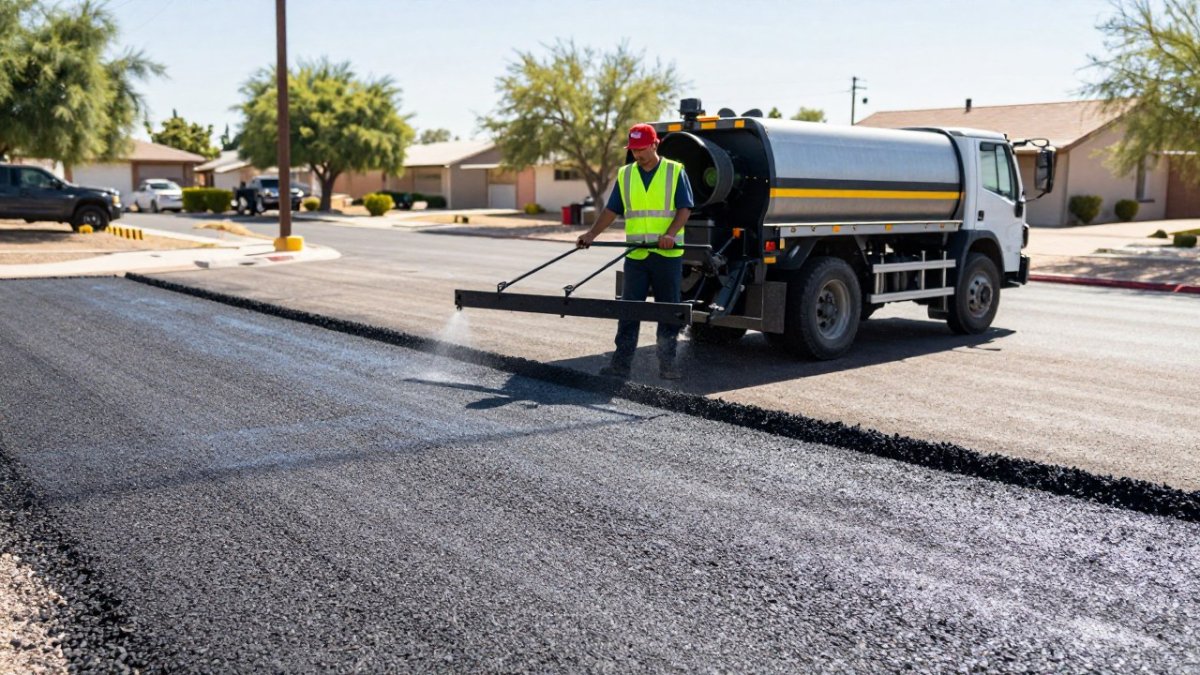
Chip seal is a preventive surface treatment. A thin layer of asphalt binder is sprayed onto the road, then covered with crushed stone and rolled into place. Agencies use it to seal the surface and slow deterioration, not to rebuild a failing road.
That distinction shapes the cost. A chip seal job is priced on what it takes to prepare the surface, haul in materials, and run a crew across the project area, not on new pavement thickness. Understanding those components is the first step to reading any quote correctly.
Chip seal is often compared with asphalt overlays and gravel surfacing. Each option carries different material, equipment, and maintenance needs. We cover those comparisons later in this guide.
Chip Seal Cost Per Mile: What Drives the Number
A per-mile chip seal price is not a single rate. It is the sum of several priced components, and the fastest way to read a bid is to break it into those components. Most public-road chip seal bids contain the same line items, whether the owner is a county, a township, or a private road association:
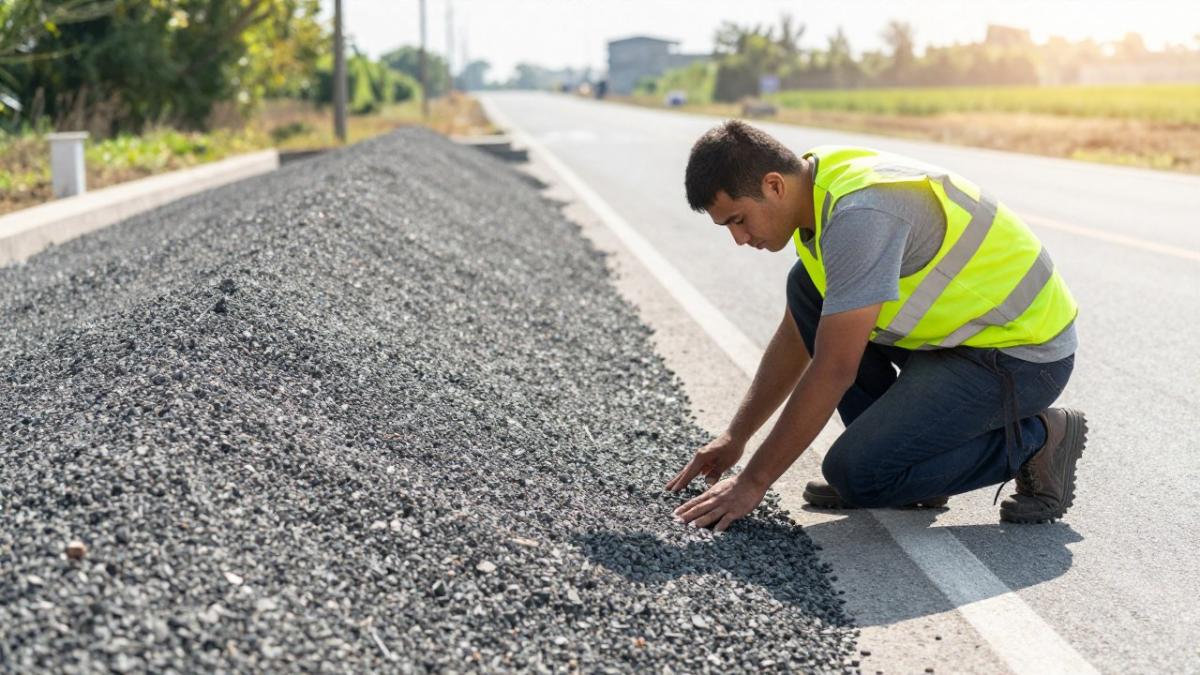
- Binder (asphalt emulsion or cutback): Priced per gallon or per ton and applied at a specified application rate. Binder is typically the largest material cost and scales directly with road area and coat count.
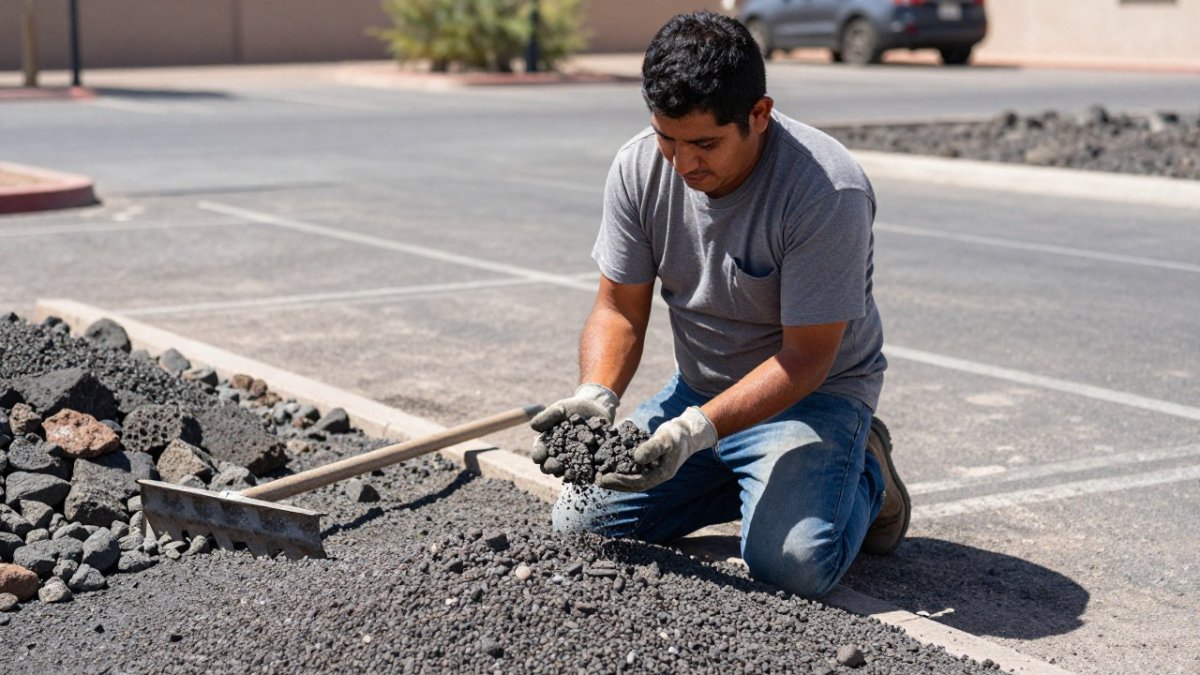
- Aggregate (cover stone): Priced per ton, delivered and placed. Cost depends on gradation, quality, haul distance, and whether the stone is pre-coated. Aggregate quantity scales with road area and application rate.
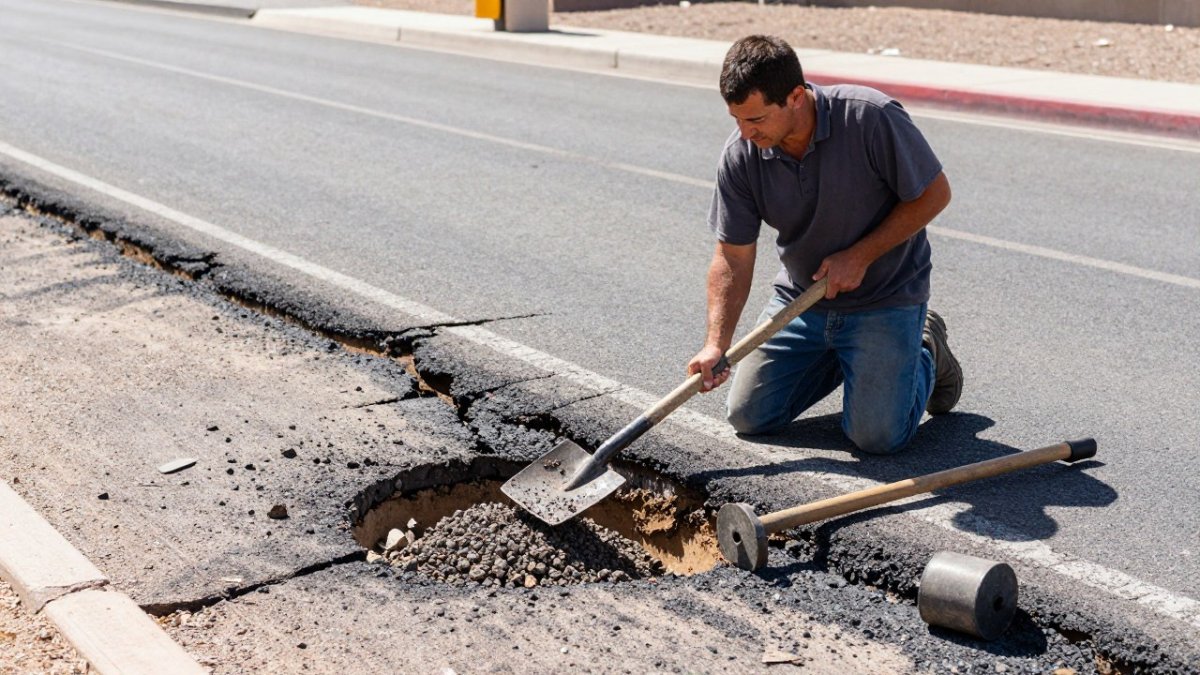
- Surface preparation and repairs: Crack sealing, patching, leveling, and cleaning. Priced per linear foot, per square yard, or as a contingency allowance (see the preparation section above).
- Labor and equipment: Distributor truck, chip spreader, rollers, sweepers, and crew time. Often embedded in the square-yard rate but sometimes broken out, especially on small or remote projects.
- Mobilization: The fixed cost of moving equipment and crew to the site. This is why short projects carry a higher per-mile cost than long ones: the same mobilization is spread over fewer miles.
- Traffic control: Flaggers, signage, lane closures, pilot cars, and detours. On a high-traffic road this can be a meaningful share of the bid and is often priced per day or per hour.
- Fog seal or other add-ons: A second application of diluted emulsion after the chip seal, priced per square yard, that extends life and reduces loose stone.
- Contingency: An owner-held allowance for unforeseen repairs, typically a percentage of the base bid.
Because these components scale differently, the per-mile number moves with road geometry and site conditions, not just area. A wide road costs more per mile than a narrow one because binder and aggregate quantities rise with width. A road with heavy traffic costs more per mile because traffic control and work-window restrictions add crew time. A short dead-end road costs more per mile than a long through road because mobilization is spread over fewer miles. Access and staging matter too: a road with no room for equipment to turn or stage materials adds handling time.
A repeatable estimating workflow keeps the comparison honest:
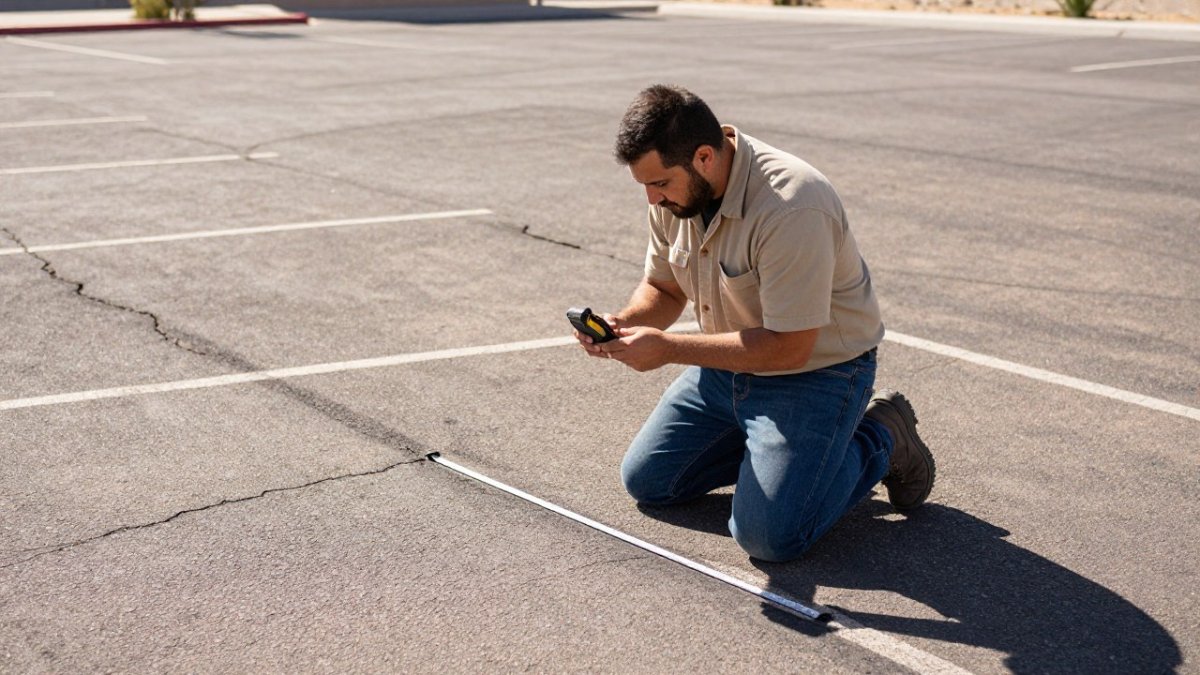
- Measure the road. Record length and average width, then compute square yards (length in feet times width in feet, divided by 9). Note any widening, turnouts, or irregular areas separately.
- Assess condition. Walk the road and log cracks, patches, potholes, rutting, drainage issues, and alligator cracking. This drives the repair line and the suitability decision.
- Select the treatment. Decide single-coat versus two-coat based on traffic and surface condition, and decide whether a fog seal is warranted.
- Set quantities. Convert area into gallons of binder and tons of aggregate using the specified application rates, so every bidder prices the same quantities.
- Price traffic control and staging. Estimate flagger days, lane-closure hours, and any detour requirements.
- Request itemized bids. Require unit rates for each line item, not a single lump sum, so bids can be compared line by line.
- Normalize and compare. Adjust for scope differences (coat count, included repairs, fog seal) before comparing totals.
For a defensible estimate, ask every bidder for the same quantities: square yards, gallons of binder, tons of aggregate, linear feet of crack sealing, square yards of patching, and mobilization. That makes the comparison fair.
Unit pricing is usually expressed per square yard, and the square yard figure is then converted to a per-mile estimate. Annualized research figures spread the treatment cost across its service life and are not the same as a one-time bid price, so do not compare them directly with a contractor’s lump-sum quote.
Project bids often include line items that look large in total but have no stated quantity. Treat any single bid as a data point for that project only.
Watch out: Comparing a per-square-yard rate from one project against a per-mile figure from another without checking coat count, included repairs, and mobilization is the most common source of bad chip seal budgets. Convert everything to the same units and the same scope before you compare.
The per-mile price is built from several line items, and each one scales differently with the project.
| Cost component | What drives it | Note |
|---|---|---|
| Binder | Gallons, road area, coat count | Usually the largest material cost |
| Aggregate (cover stone) | Tons, gradation, haul distance | Scales with road area and application rate |
| Surface preparation | Crack sealing, patching, leveling | Priced per linear foot, square yard, or allowance |
| Mobilization | Moving equipment and crew to site | Short projects cost more per mile |
| Traffic control | Flaggers, closures, detours | Meaningful share on high-traffic roads |
| Fog seal | Square yards, second application | Extends life and reduces loose stone |
| Contingency | Percentage of base bid | Held by the owner for unforeseen repairs |
Chip Seal Versus Asphalt Overlay and Gravel: Cost Comparison
Chip seal is generally the lower-cost preventive option. An asphalt overlay adds a new layer of hot-mix asphalt, which costs more per square yard but delivers a smoother ride and can add structural life. Mill-and-fill work removes damaged pavement before replacing it, and it costs more still. Gravel surfacing has the lowest material cost but needs frequent grading and re-graveling, so its long-term cost can exceed a sealed surface.
Chip seal is not the right choice for every road. It does not add structural strength. A road with failing base material needs reconstruction, and sealing it only delays the problem.
How Long Chip Seal Lasts and What Extends Its Life
Chip seal life depends on traffic, climate, the quality of the aggregate, and how well the surface was prepared. Chip seal life extension varies by conditions, and local agency history is the best guide before relying on any estimate.
Maintenance extends life. Crack sealing before the seal goes down, fog sealing afterward, and timely repair of new distress all help. Life-cycle cost, which divides total spending by years of service, is often a better comparison than initial price alone.
When Chip Seal Is the Wrong Treatment
Chip seal is a poor choice when the road has structural failure, heavy alligator cracking, or significant base movement. It also loses appeal on roads where a smooth ride is a priority, since the stone surface is coarser than asphalt. Some agencies avoid chip seal on roads with high truck traffic or steep grades. In those cases, an overlay or reconstruction usually gives better long-term value.
Building a Chip Seal Estimate Checklist
Use this checklist when you request or compare bids:
- Road length, width, and total square yards
- Single-coat or two-coat scope
- Existing surface condition and repair needs
- Binder and aggregate quantities or specifications
- Mobilization and traffic control costs
- Fog seal or other add-on treatments
- Schedule, staging, and access constraints
- Warranty or performance terms
For aggregate sizing and surface specifications, the chip seal design guidance from the Transportation Research Board is a useful reference.
Requesting Your Chip Seal Quote From Global Paving
Global Paving provides asphalt paving, repair, and maintenance services for commercial, industrial, and HOA properties across the Greater Phoenix area, with over two decades of experience. Visit our Chip Seal page to see what the service includes. Pricing depends on project size, surface condition, scope, and timing, so we do not publish a flat rate. To get an accurate figure, share your road dimensions, current surface condition, and any known problem areas. Our team will review the scope with you and provide a transparent quote. Visit our Chip Seal page to see what the service includes, or browse our Services overview to see the full range of work we handle.
For guidance on choosing a qualified contractor, read how to choose a commercial chip seal contractor. Ready to move forward? Get a quote from Global Paving and get a clear estimate based on your actual project.
Frequently Asked Questions
How much does it cost to chip seal 1 mile of road?
Per-mile chip seal cost varies widely because it depends on road width, surface condition, preparation work, traffic control, and whether the job is single-coat or two-coat. Annualized research figures are not a per-mile quote. Pricing depends on quantity, schedule, and site access, so request a written estimate from Global Paving for current pricing on your specific road.
Is chip seal cheaper than asphalt?
Chip seal usually has a lower upfront cost than a full asphalt overlay or mill and fill, because it uses a thin layer of asphalt binder and aggregate rather than hot-mix asphalt. The real comparison depends on the existing surface. Roads with structural failure may need reconstruction regardless of treatment, and chip seal is a preventive option for roads in fair condition. Compare bids using the same scope, including preparation and repairs, before deciding.
What should a chip seal resurfacing estimate include?
A complete estimate should list the road length and width, the square footage being treated, the number of coats, aggregate and binder quantities, surface preparation and crack or pothole repairs, traffic control, mobilization, cleanup, and any fog seal or sweeping. Ask whether repairs are priced separately, what the warranty covers, and how the schedule affects traffic and access.