Last Updated: November 25, 2026
Quick Summary
Loose gravel on a chip seal is prevented by preparing a clean, solid surface, applying binder and aggregate at the planned rates, and rolling promptly so chips embed. Keep traffic off until the seal cures, which can take up to two days, then sweep carefully to remove chips that never embedded.
- Check and clean the surface before any binder goes down, since debris stops chips from bonding.
- Verify application rates as work proceeds, because uneven coverage causes chips to come loose later.
- Keep all vehicles off the surface until it has set, since even light cars can pull chips loose.
- Sweep only after the surface cures enough that chips stay put, starting with a light pass.
- Penn State guidance says curing can take up to two days before loose gravel is swept away.
Table of Contents
- How Do You Prevent Loose Gravel on a Chip Seal?
- Chip Seal Loose Gravel Causes and How to Spot Them
- Chip Seal Curing Time Before Traffic Returns
- Chip Seal Aggregate Sweeping: When and How to Do It
- Using Fog Seal Treatment to Hold Chips in Place
- Troubleshooting Loose Chips and Safe Repair Methods
- Scheduling Your Next Chip Seal Project With Global Paving
- Frequently Asked Questions
How Do You Prevent Loose Gravel on a Chip Seal?
Loose gravel on a chip seal is controlled by three things: a clean, well-prepared surface, the right application rate, and careful cleanup after the seal sets. Most loose chips come from skipped steps in one of those areas, not from the chip seal method itself.
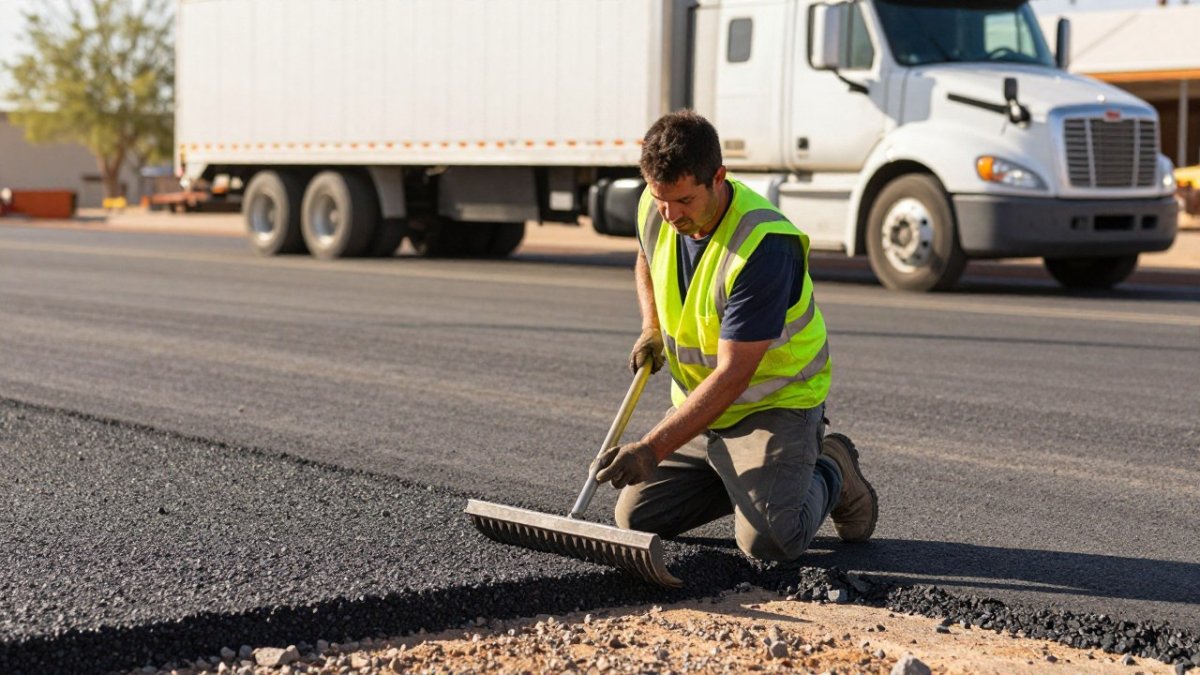
Good embedment depends on a solid base, so surfaces should be checked and cleaned before any binder goes down.
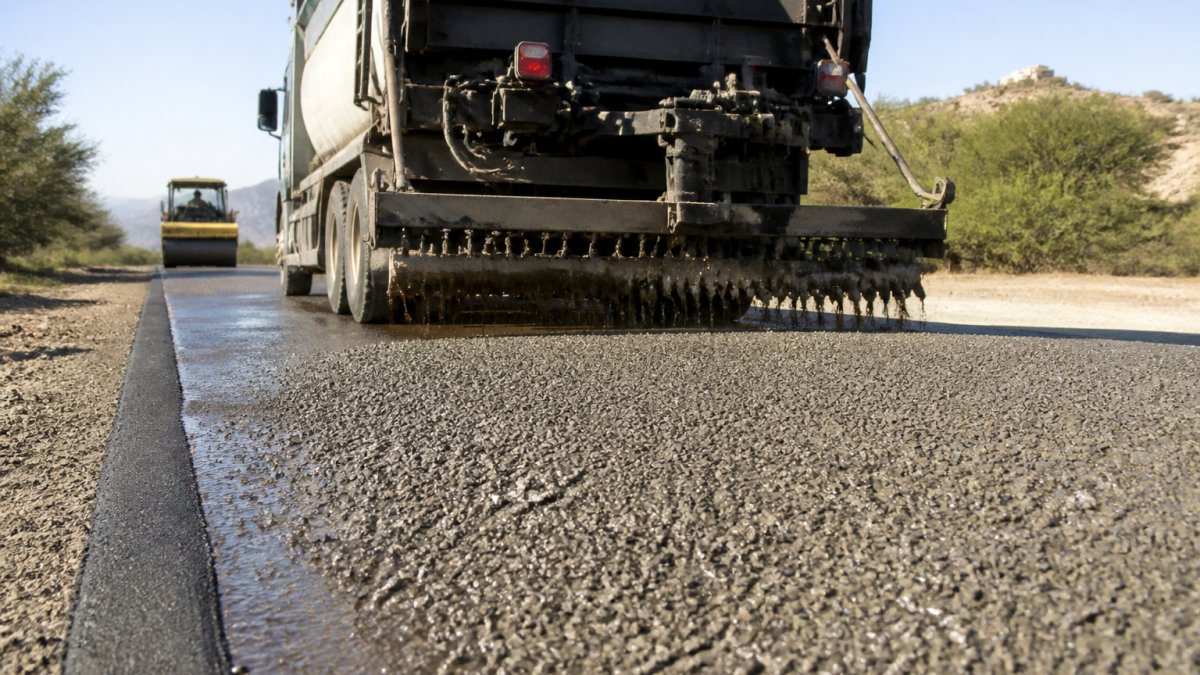
Next comes application. The binder and aggregate must go down at the planned rates, and the seal needs prompt rolling so the chips embed.
Finally, the surface needs time to cure and then a careful sweep.
Many people expect a new chip seal to be perfectly stable right away. It is not.
Chip Seal Loose Gravel Causes and How to Spot Them
Loose gravel usually traces back to a short list of causes. Knowing them makes problems easier to spot and fix.
- Poor surface prep: dust, dirt or debris under the binder stops chips from bonding
- Wrong application rate: too little binder leaves chips unanchored, while too much can cause bleeding and chip movement
- Weak or moving base: an unstable base shifts under the seal and loosens chips
- Early traffic: vehicles on the surface before it sets can pull chips loose
- Skipped sweeping: unembedded chips left on the surface get kicked and scattered
To spot the cause, look at where the chips are coming loose. Scattered chips across the whole surface often point to application rate or a rushed sweep. Chips loose only in one area usually point to a local base or surface prep problem.
Normal Chip Shedding Versus a Installation Defect
Some loose chips are expected. Some gravel will not become embedded and may stay loose on the surface while the new seal sets. The question is whether the loose material is normal shedding or a sign of a real problem.
Normal shedding is light, spread evenly, and tapers off over the first days. A defect shows up as large patches of loose chips, bare spots, or chips that keep coming loose after the surface has cured. Those patterns point back to prep, rate or base problems.
Climate, Traffic and Seasonal Effects
Heat, cold, rain and traffic all change how a chip seal behaves. Hot weather can soften the binder, while cold weather slows curing and leaves the surface vulnerable for longer. Heavy vehicles are especially hard on a fresh seal, so timing matters. Plan application for a stretch of dry weather, and keep traffic off until the surface has set.
Chip Seal Curing Time Before Traffic Returns
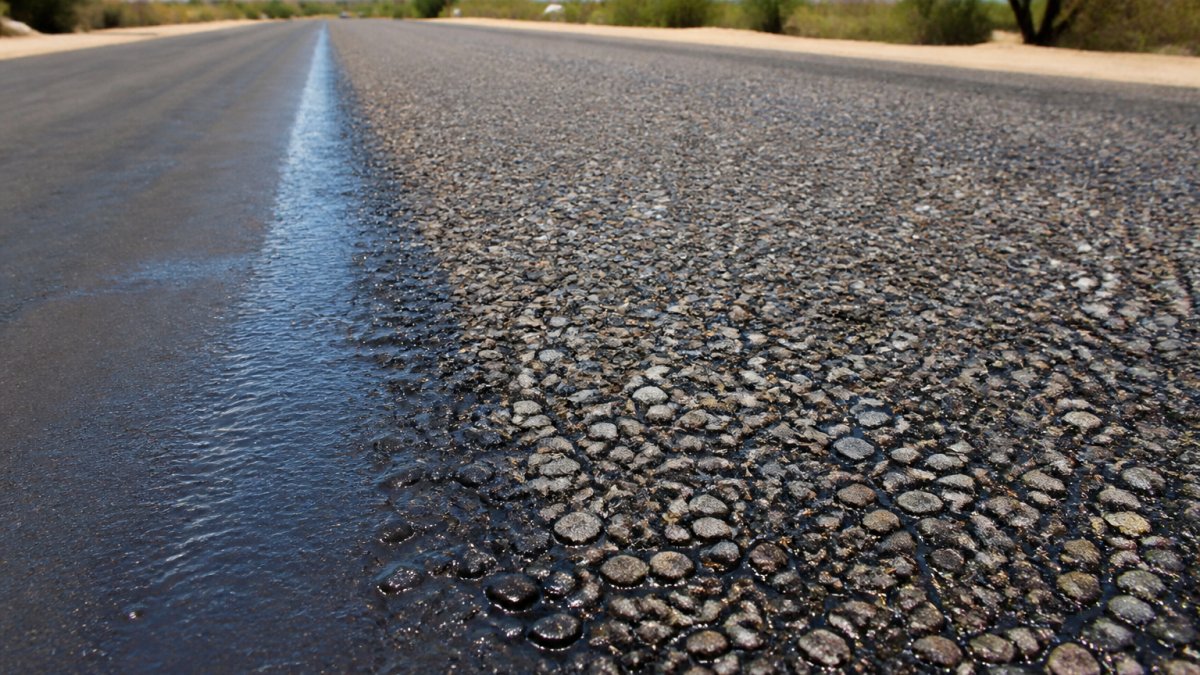
Curing is the window when the emulsion breaks, water evaporates, and the binder hardens around the chips. Curing of up to two days is typical while water evaporates from the emulsion. During that window, chips are still settling into the binder, and the surface is at its most vulnerable to early stone loss.
The actual cure time depends on the emulsion type, air temperature, humidity, and wind. A cool, humid, still day stretches curing; a hot, dry, breezy day shortens it.
Traffic rules during the cure window
- Keep all vehicles off until the surface has set. Even light passenger cars can pull chips loose before they embed, and the damage is not always visible until the next rain or sweep.
- If the road must stay open, control speed and path. Slow traffic to a walking pace, keep vehicles off fresh edges, and route cars down the center of the lane where embedment is usually best.
- Restrict turning and parking. Sharp turns and stationary tires are the most common cause of early chip displacement on driveways, cul-de-sacs, and parking aprons. Ask drivers to avoid turning the wheel while stopped on the fresh seal.
- Post signs and use detours where possible. A short detour is cheaper than a spot repair.
Watch out: cutting the cure window short is one of the most common reasons chips come loose early, and the failure often shows up weeks later as a bare patch that gets blamed on the mix rather than the traffic.
When to sweep after curing
Sweeping comes after the surface has cured enough that chips stay put under a broom, not before. A light first pass, a check of the results, then a heavier pass if needed is the standard sequence. Collect the loose aggregate rather than pushing it into gutters or drains, where it can clog and cause its own problems. On a chip seal, the first sweep typically removes the chips that never embedded; a second sweep a few days later catches the remainder.
What to do if the surface stays tender
If the seal is still soft or tacky well past the expected cure window, do not sweep hard or open it to traffic to ‘work it in.’ Soft binder under traffic smears, picks up dirt, and bleeds. Note the weather during application, the emulsion type, and the application rate, and have the contractor inspect before any repair. A surface that never cures usually points to an application or material problem, not a traffic problem.
The article’s key timing and traffic facts for a chip seal are summarised below.
| Item | Value | Note |
|---|---|---|
| Typical curing time | Up to two days | Water evaporates from the emulsion during this window |
| Traffic during cure | Keep all vehicles off | Even light cars can pull chips loose before they embed |
| Slow traffic speed | Walking pace | Use if the road must stay open |
| First sweep timing | After surface sets | Chips must stay put under a broom |
| Second sweep | A few days later | Catches chips the first pass missed |
Chip Seal Aggregate Sweeping: When and How to Do It
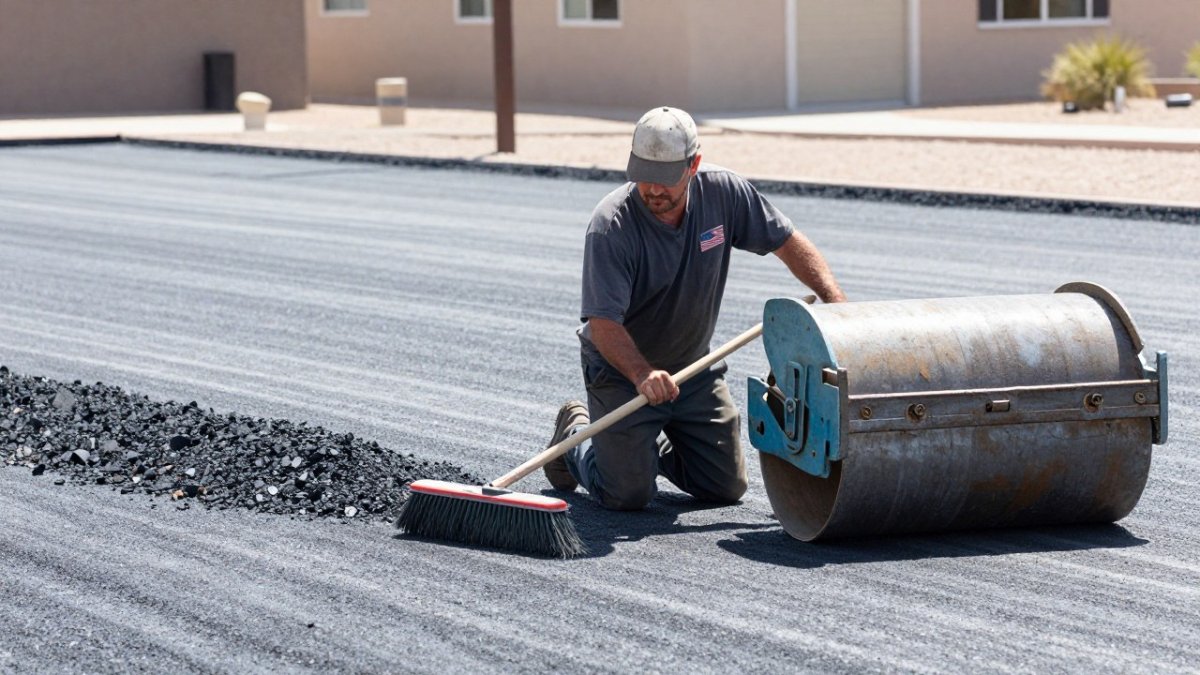
Sweeping is the step that removes chips that never embedded. Loose material should be removed without damaging the fresh seal. That means sweeping gently, at the right time, and with the right equipment.
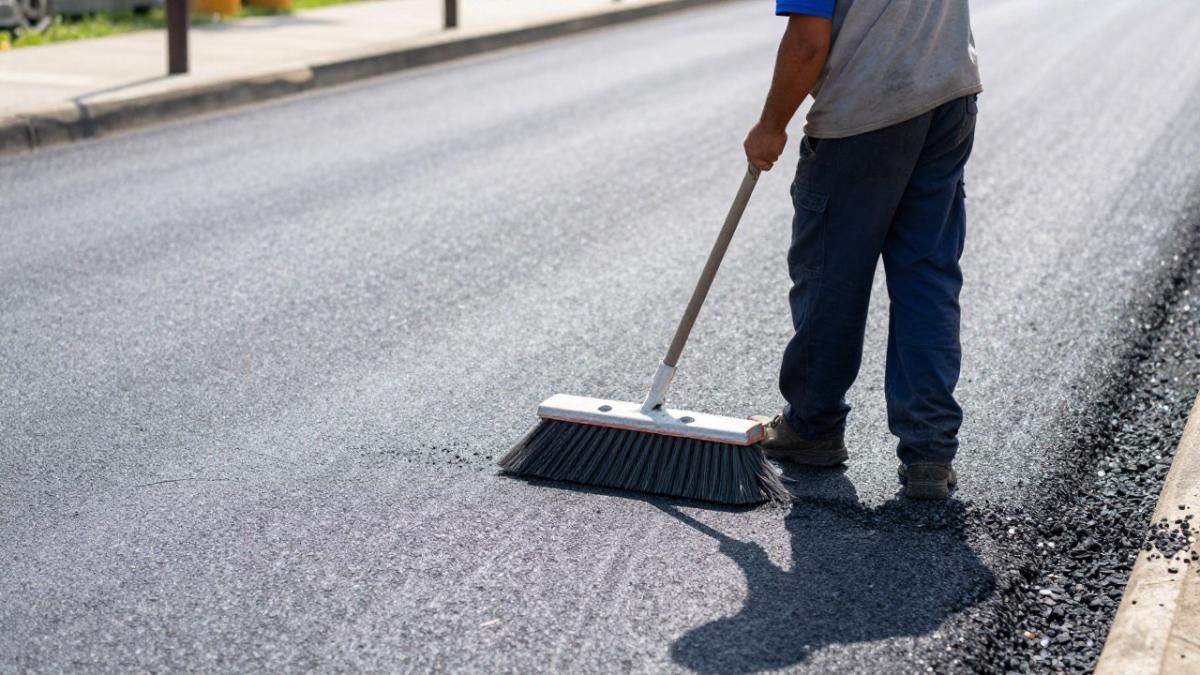
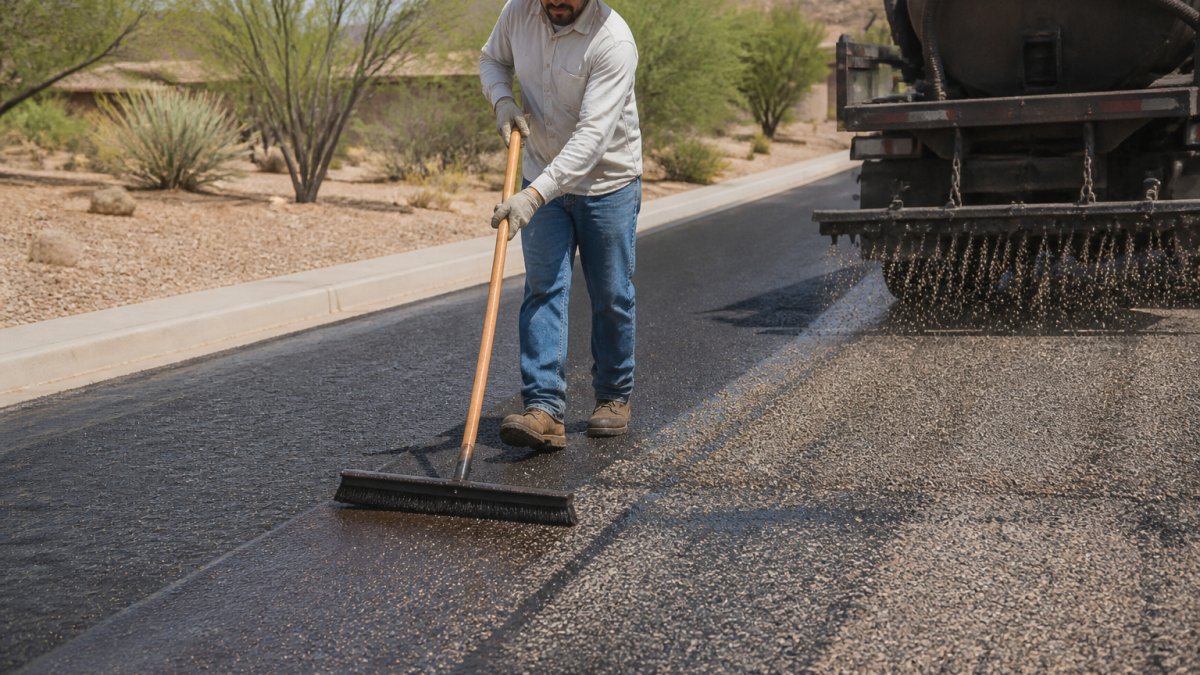
Sweep only after the surface has cured enough that chips stay put under a broom. Start with a light pass and check the results before going heavier.
Watch out: sweeping too early can drag embedded chips out of the binder, so wait for the surface to set before the first pass.
Using Fog Seal Treatment to Hold Chips in Place
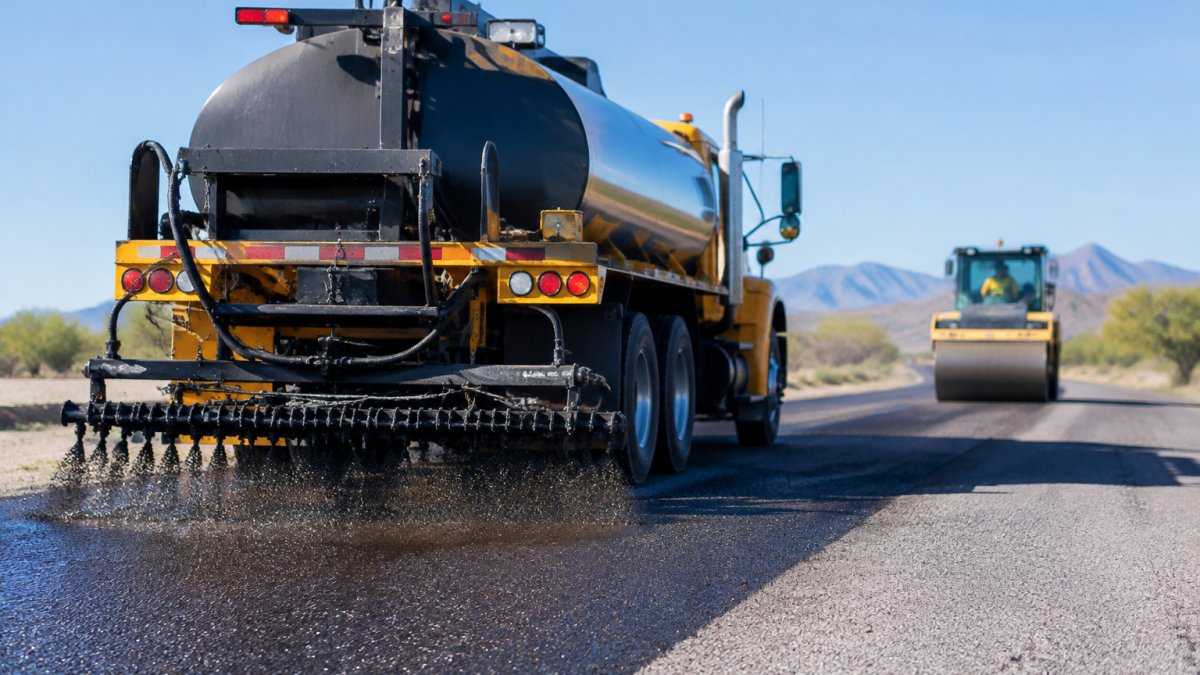
A fog seal is a light, thin layer of emulsion sprayed over a chip seal.
The same report gives no percentage or sample size, so the results should be read as improved retention rather than a fixed number. Global Paving can talk through whether a chip seal service fits your road and how a fog seal would fit into that plan.
Troubleshooting Loose Chips and Safe Repair Methods
When loose chips persist past the cure window, the goal is to identify which failure mode you are looking at before spending money on a repair. Chip seal problems cluster into four patterns, and each points to a different fix.
Pattern 1: Poor embedment
Chips sit on top of the binder rather than pressed into it, and they come loose in sheets or along wheel paths. This usually traces to a rolling problem, too little rolling, rolling too late after the binder broke, or a binder that was too cool to accept the aggregate. The surface may look uniformly covered but feel gritty underfoot. Repair starts with a light sweep to remove unembedded chips, then a fog seal or a light rejuvenating spray to re-anchor what remains.
Pattern 2: Excess aggregate
If the surface looks over-covered and chips keep working loose no matter how often you sweep, the aggregate application rate was likely too high for the binder rate. The tell is a surface that never quite locks up and sheds chips for weeks. The practical fix is repeated light sweeping plus a fog seal to bind the top layer; a full re-seal is usually only justified if the surface is also bleeding or raveling.
Pattern 3: Weak or bleeding binder
Bleeding shows as shiny, black patches where binder has risen above the chips. It often appears in wheel paths on hot days. Chips in those areas move because they are floating on binder rather than embedded in it. Do not add more aggregate on top of a bleeding patch without addressing the binder, the new chips will float too. The standard remedy is to blot the excess binder with clean sand or fine aggregate, sweep the residue, and let the surface stabilize before any further treatment.
Pattern 4: Drainage and base problems
Loose chips confined to low spots, edges, or areas that stay wet after rain point to water. Standing water softens the base, the base moves, and the seal above it loses support. Patching chips without fixing drainage brings the problem back with the next storm. Look at grading, ditch depth, and shoulder elevation before treating the surface.
Safe repair methods
- Spot repair: Remove loose chips and any failed seal down to a sound surface, clean the area, apply a compatible emulsion, and re-chip with aggregate matched to the original. Spot repairs work best on isolated failures, not on a surface that is failing everywhere.
- Fog seal: A light emulsion spray over a cured chip seal can re-anchor surface chips and reduce complaints. Minnesota Department of Transportation research reports improved chip retention on fog-sealed roads, with reduced or eliminated public complaints about loose-rock damage (Minnesota Department of Transportation research program, 2023). Treat that as improved retention rather than a fixed percentage.
- Re-seal: Justified when the failure is widespread, the binder has aged out, or repeated spot repairs keep failing in the same area.
Watch out: generic gravel stabilizers, polymer binders sold for unpaved roads, and incompatible sealers can bond poorly to chip seal and cause new failures.
Best for: Owners who see loose chips in a specific area and want to find the cause before paying for repairs.
Skip if: The surface is still curing. Wait for it to set before judging whether a problem is real. Owners who manage several surfaces may find it useful to read about common pothole repair mistakes on chip seal roads before hiring anyone.
Scheduling Your Next Chip Seal Project With Global Paving
Planning ahead prevents most loose-gravel problems. Schedule the project for dry weather, plan the curing window and keep traffic off the surface until it sets.
Global Paving works on chip seal projects across the Greater Phoenix area and can help plan the timing, prep and cleanup. For property managers who want a longer maintenance plan, our sweeping and upkeep guide for retail properties covers what to expect over time.
Frequently Asked Questions
How long should traffic stay off a new chip seal?
Traffic should generally stay off a new chip seal until the emulsion has cured enough to hold the aggregate. Curing can take up to two days while water evaporates from the emulsion. Local conditions, temperature, humidity and the binder used all affect timing, so the contractor’s guidance on the specific project should govern. Keep vehicles off the surface and limit speeds on any road that must stay open until the seal has set.
When should loose aggregate be swept from chip seal?
Loose aggregate should be swept after the chip seal has set enough that sweeping does not pull chips out of the embedded layer. Loose gravel is swept from the surface after curing. Loose material should be removed without damaging the fresh seal. Sweep in a way that clears excess stone while leaving well-embedded chips in place, and check the surface again after the first traffic cycle.
Does a fog seal help hold chip-seal gravel in place?
A fog seal can help. Fog sealing has been reported to improve chip retention on chip-sealed roads. Results will vary by project. Fog seal is a supplement to proper installation, curing and cleanup rather than a replacement for them.